
Made me smile

I have discovered a simple yet effective technique to increase my productivity when writing. I started using the site http://www.mytomatoes.com a few weeks ago, and have been more writing done since. This is how it works:
Each “tomato” is 25 minutes long. When you click on “Start Tomato,” you start working/writing. And that’s all you do for 25 minutes. No washroom breaks. No facebook breaks. No e-mail. When the 25 minutes is up a bell rings, and you earn a 5 minute break. The site prompts you to document what you did for the 25 minutes, so you can track how you are spending your time. When the 5 minute break is up, another bell will ring and you are back to work!
I have found this technique so effective, and fun. I like “collecting tomatoes,” and I find 25 minutes is a good length of time to stay “in the zone.” I would highly recommend it to any writers out there! Below is a link to a short video explaining the pomodoro technique in more detail.
Happy Writing!!!
In an interview with the Atlantic Stephen King discussed his time as a high school English teacher. As a teacher of writing King recalled, “it went best for me when I could communicate my own enthusiasm. I can remember teaching Dracula to sophomores and practically screaming, ‘Look at all the different voices in this book! Stoker’s a ventriloquist! I love that!’ I don’t have much use for teachers who “perform,” like they’re onstage, but kids respond to enthusiasm. You can’t command a kid to have fun, but you can make the classroom a place that feels safe, where interesting things happen.” The link to the article is provided below:
http://m.theatlantic.com/education/archive/2014/09/writing-secrets-with-stephen-king/379870/

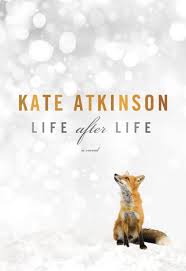
I (Lydia) have been reading and enjoying the novel Life After Life by Kate Atkinson. The novel invites readers to consider the question: What if you could live again and again until you got it right? This premise is explored through the experiences of the Todd family set against the backdrop of two world wars. Atkinson plays with narrative structure and time by repeatedly re-ordering the past and the present, as protagonist Ursula Todd and others supporting characters experience deaths, near deaths, and frequent chances to begin life anew. Each time the author reimagines one of these lives, the reader is provided with a glimpse into how the alternate choices made by a character can profoundly shift circumstances and outcomes. The novel could be read as book about the practice of writing, the practice of reading, and the complex relationship forged between author and reader. The novel repeatedly reminds the audience of the multiple choices an author makes when weaving together a narrative, and the conscious choices a reader makes to commit, or not, to the path outlined by the author. Overall, the novel provides a compelling and worthwhile read.
 Smartphones and templates offer a newer mode of communication and slowly, it seems, a new language is taking shape. Short, incomplete sentences with alternatively spelled words are dominating the domain. Incomplete thoughts… and abbreviations http://www.netlingo.com/acronyms.php are rapidly becoming familiar.
I’ve (Yiola) bin thinking about literacies and what txt and tweets and FB mean for literacy development. IDK what to make of this. It’s interesting cuz language changes. wordz change. punctuation ceases to exist. LOL
youth 2day use symbols, short forms, a variety of new symbols to communicate.
I’m still wondering how #hashtag came to be the symbol that it is. #justdontunderstand
The exclamation point has indicated strong emotion. now we have 🙂 😉 and 😦
Is one more correct than the other?
Plz share some insights… i’d luv 2 hear ur thoughts on the implications for teachers, teacher educators, parents. I mean, how r we to communicate and facilitate language development if we r not in tune with social media discourses of youth today? Do we ignore it? Incorporate it? Explicitly teach the differences between formal / traditional language and social text?
ttys, yiola
 Literacy Teaching and Teacher Education