All posts by ckosnik

First Class: Tracking wellness

I (Clare) am following this amazing new blog Eureka Research: Exploring Wellness through digital techniques: http://eurekaresearch.wordpress.com/2014/10/22/first-class-tracking-wellness/
This recent post is about the guidance counsellor who is working with secondary school students to track their wellness and well-being using a number of on-line tools. Wow! This is an amazing use of technology and from the photos it seems the students are very much engaged. I look forward to reading updates on the work and study of the on-line tools.

cathkaiser's avatareureka research

I am in the middle of running my five classes on using a website to track moods, goals, tips, etc.  The website is called Facingus.org and what I like about it is that it is hands on and interactive. Students explored for parts of the site:  Journal, Wellness Tracker, Wellness Plan and Wellness Book (Tips).  This took almost the full hour to explore.  Students wrote for 5 minutes in the online journal – some where very engaged and some struggled quite a bit. I did catch a couple of students reading a book on their laps!  I did also have a couple of students asking if they could have more time to write 🙂

For the Wellness Tracker, I had them focus on three aspects – Well-being (track daily), Symptoms (track daily and weekly) and Lifestyle (track daily).  What I liked about this section, is that there were a lot…

View original post 182 more words

All About Me Books: Power of Writing Your Story

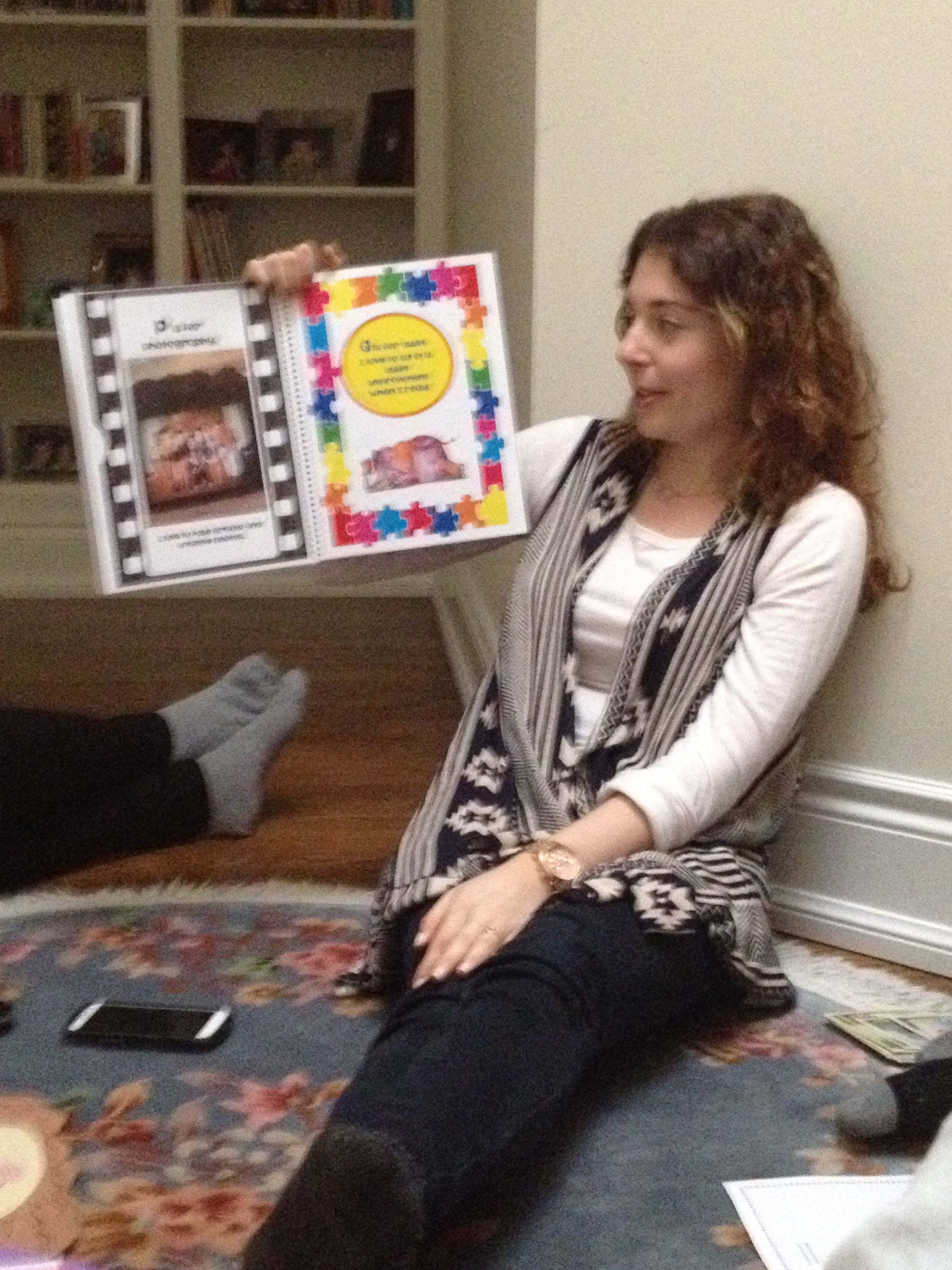
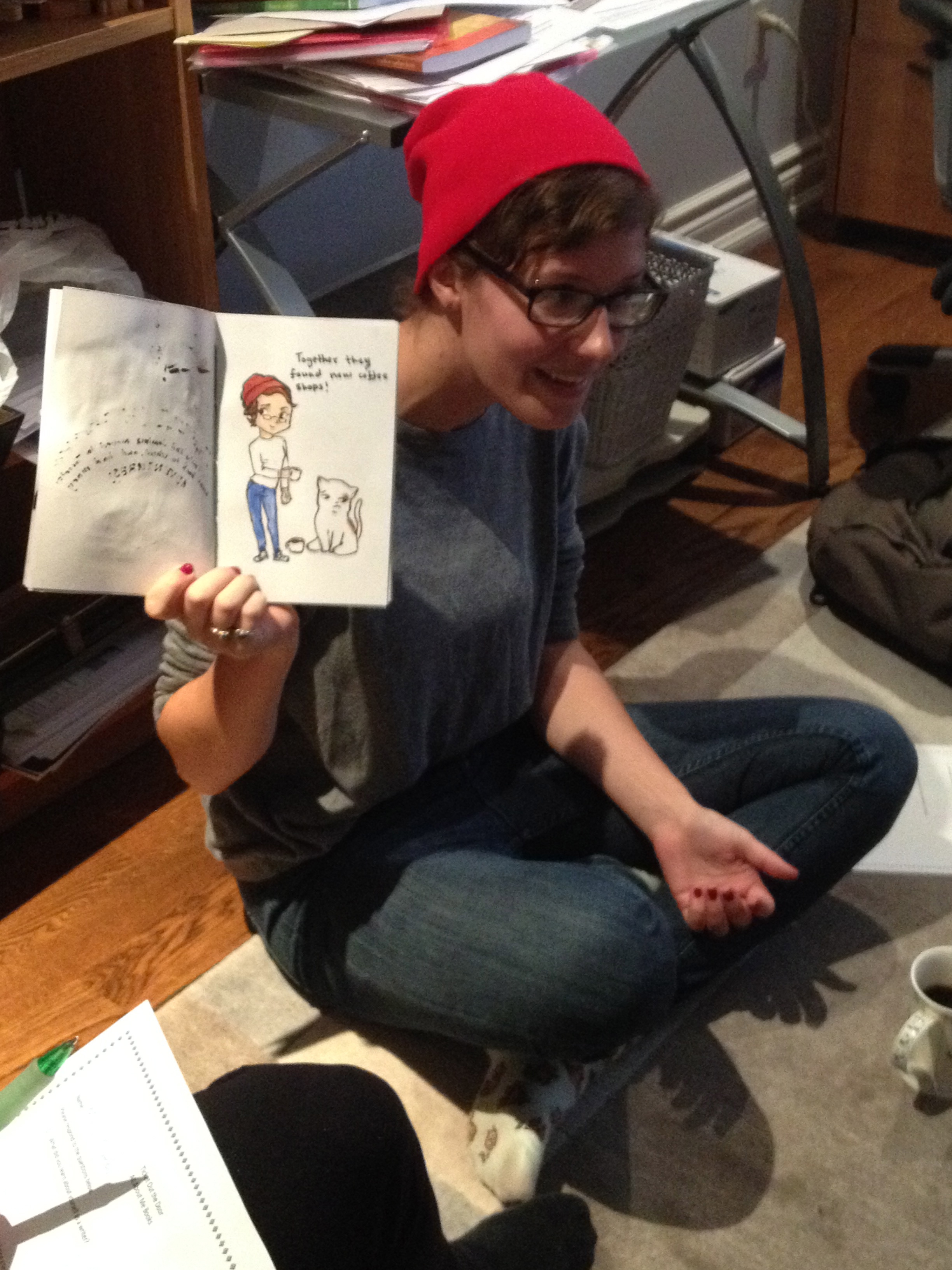
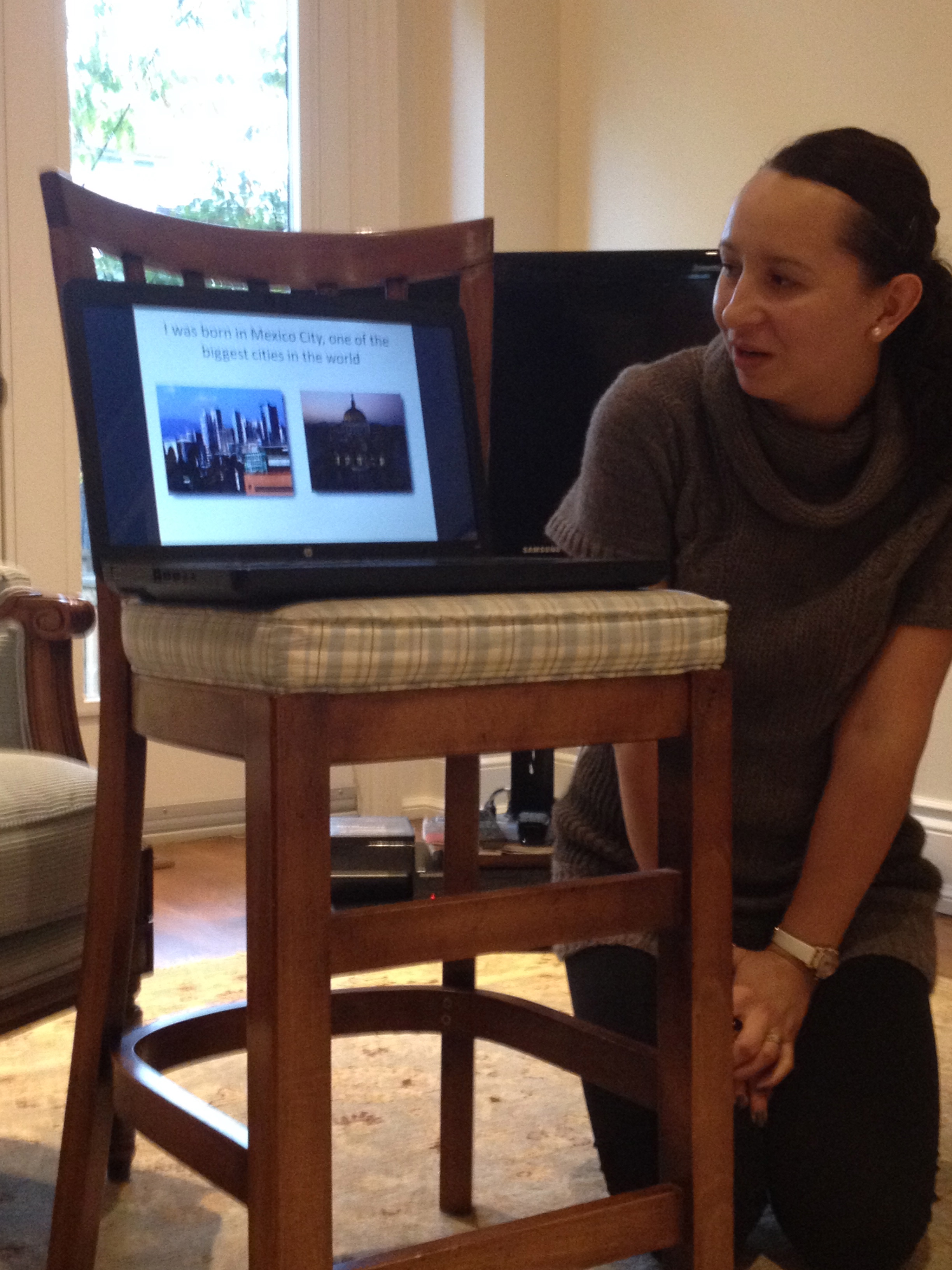
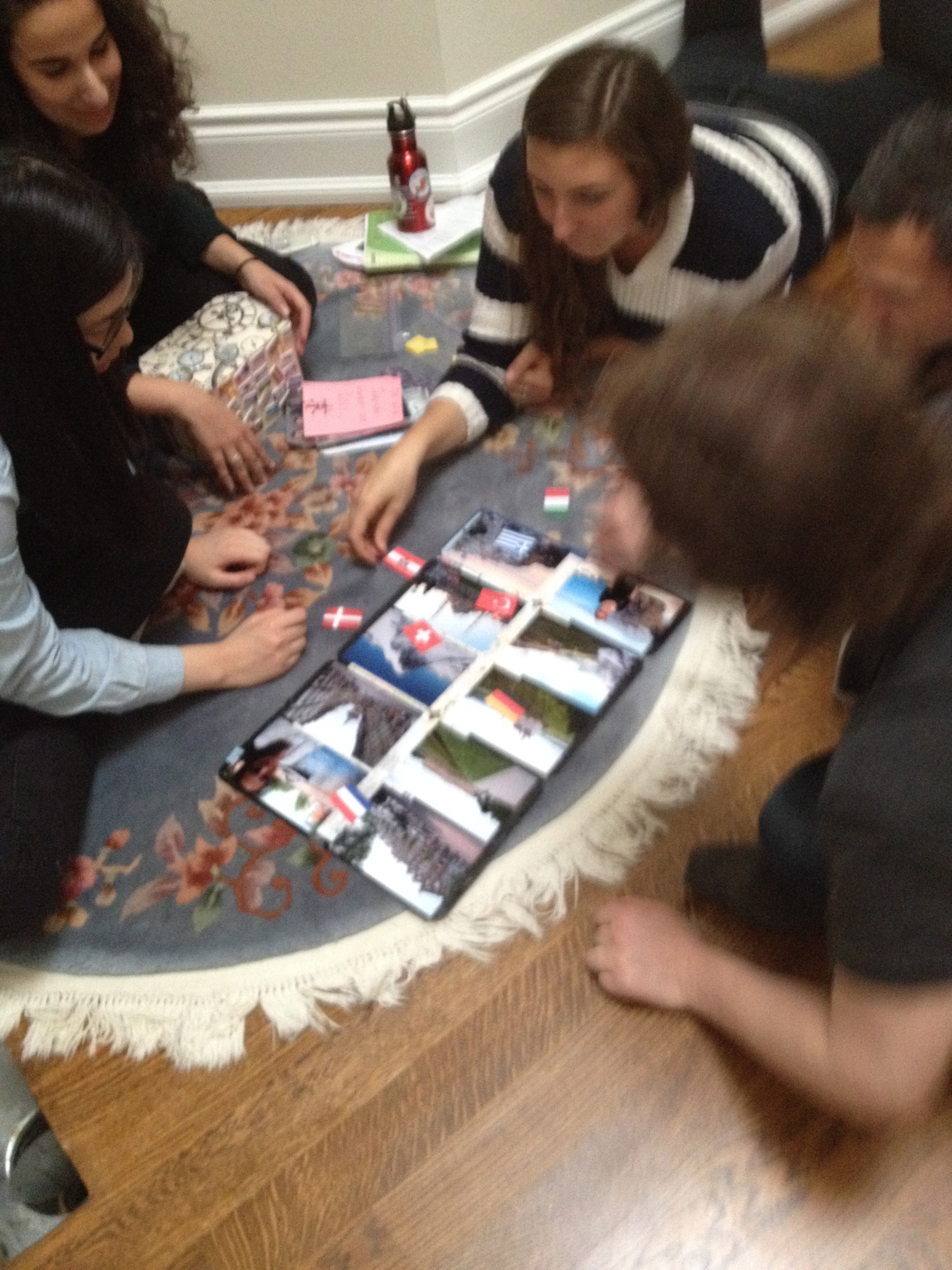
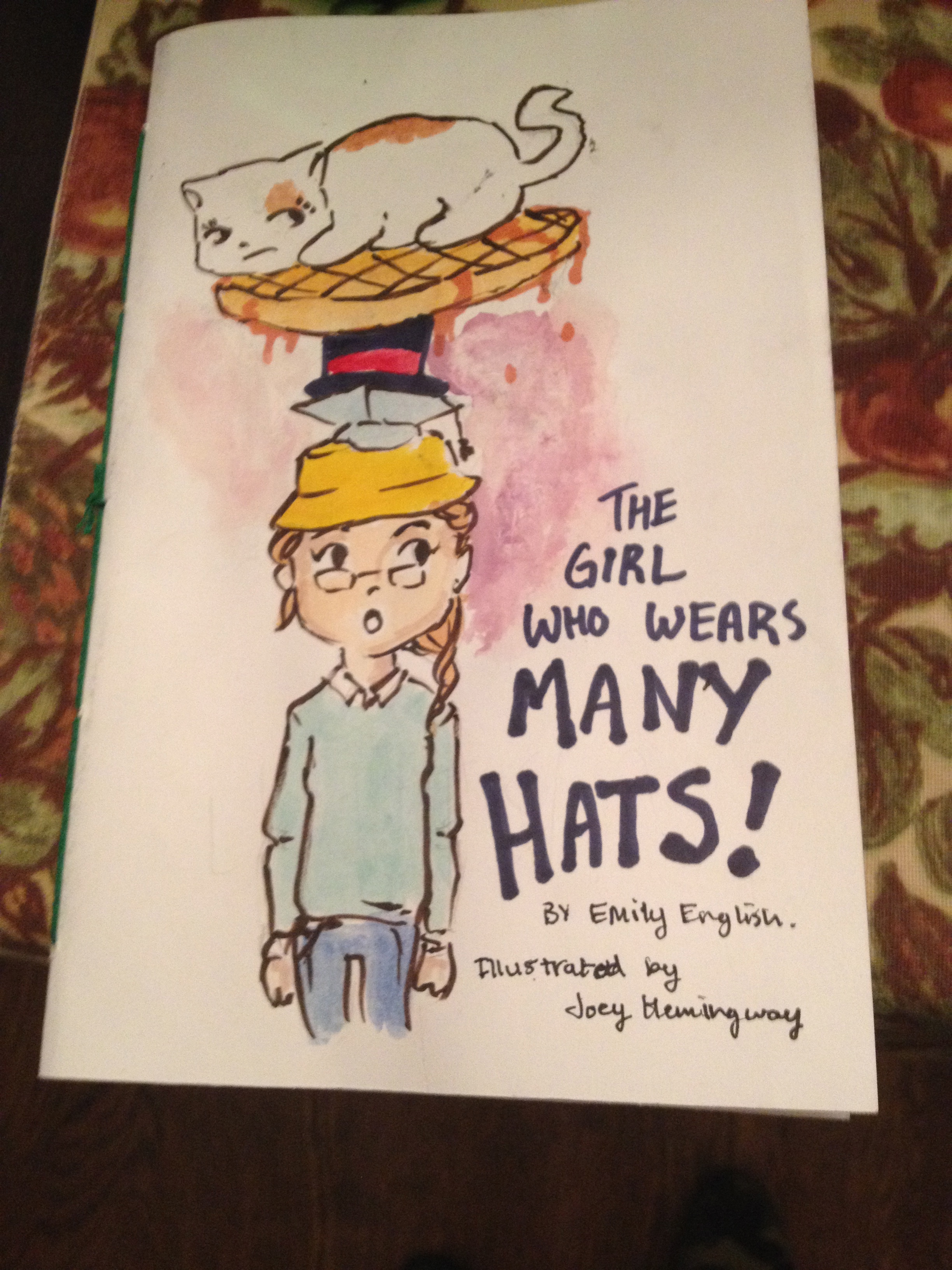
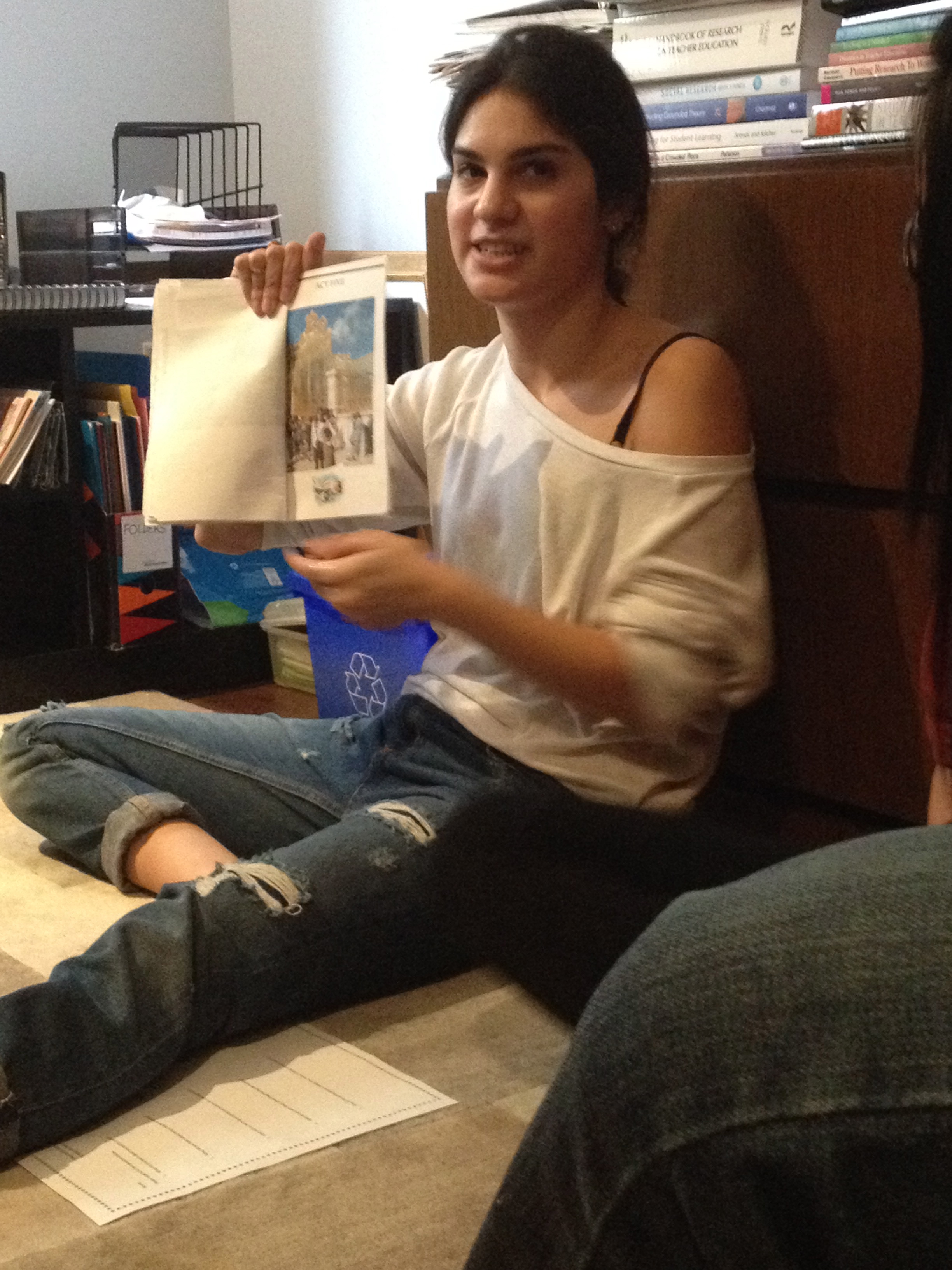
IMG_3099In yesterday’s blog post, Lydia talked about the All About Me book celebration we had with the student teachers in our literacy methods courses. I (Clare) want to add my comments/reflections on the activity. The “assignment” is unusual in that it is ungraded (pass/fail), there is lots of choice, and the finished product is shared with all of the other IMG_3100students. It is not just me, the professor, who reads the assignment – all of the students have an opportunity to learn from their fellow students’ work. The sharing is a wonderful way for them to learn about their fellow students and to learn about many ways to tell a story. Initially, the students are bit resistant to the assignment commenting (complaining!) about it not being graded so why should they do it or that they are not creative so they cannot do it or they cannot see how doing a book about their life will help them learn to be a literacy teacher. The process of writing their books and sharing them transforms IMG_3145their views – they come to understand the power of story, the demands of the writing process, and the importance of audience. Many commented this was the best class they have had in their university studies. One student noted: “I recognize the courage and vulnerability it takes to showcase our own work and know that without a Professor who harnesses this safe environment we wouldn’t have become such a comfortable cohort in our short weeks at OISE.”IMG_3121

All wanted to know when we were going to do “something” like this again. You will notice in these photos that the students are truly happy and engaged. Like Lydia, I was impressed with their books – their creativity was astounding, the care they took with writing their books was impressive, and their ingenuity humbled me. I learned so much from them and feel so lucky to be teaching such fine individuals.

For the literacy teachers and literacy teacher educators who follow this blog we thought we would share the assignment description with you.

IMG_3152All About Me Books

The creation of this book about you fulfills a number of purposes:

* it celebrates who you areIMG_3140

* it provides your colleagues with an opportunity to get to know you

* it celebrates the diversity of individuals in our class

* it allows your creativity to emerge and through exploration may prove new potential to you

* it provides a good resource for you to use with your students as an artifact, a way of IMG_3138introducing you to your students, a good lesson to use with them and ….

* it allows you to come to understand first-hand the complexity of the IMG_3128composing and publishing processes and it allows you to consider how various literacy formats/genres can be used with students

* it introduces you to children’s books in another way

* it is fun

IMG_3131Criteria

  1. Meaning

The All About Me text must communicate in some way who you are – it could be descriptive, autobiographic, a metaphor, …. but it must say, “This is me!” It is important to identify your intended audience; therefore, the book must match your intended audience. If, for example, you are writing it for young children, the pictures are very important and the text must be simple and IMG_3119accessible to them. If on the other hand, you are writing it for an audience of adolescents, the tone, structure and theme would be very different. Use a structure/format appropriate for the age group you choose as models.


Structure

IMG_3114The All About Me book must be:

* illustrated in some way (use your imagination and ingenuity here).

Any format is fine – text based, artifacts, digital …..IMG_3113

* durable for use in the classroom

* well planned

* well written (adhering to the convention of grammar and spelling)

IMG_3142Possible formats and genres for your book…IMG_3135


Accompanying Story on Tape Shape Books
Fairy tale, mystery, make believe Poetry Book
Banners Pop-up Books
Shape Book Wheel Book (using paper fasteners)
Accordion Book Picture Books
ABC book Books with Bookmarks
Books with Pictures and Clipart Book in a box
Books with Photographs Puppet Books
Characters from a Movie or Novel Chart Books
Dioramas Flip Books
Graphic novel/story; Comic format Television Box
Newspaper Momento book
Series of memos Menu
Series of photographs with captions Counting book
I Book Poster
Prezi Powerpoint
Video Other ….. (e.g. rap, song)


Toronto Marathon

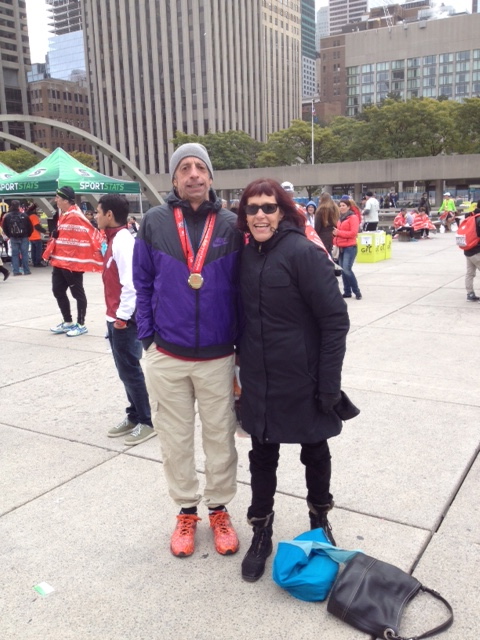
On this blog I (Clare) have shared the many accomplishments of our team memberTony and Clare s — some academic, some personal, and some professional.  Today my brother, Tony,  ran the Toronto Marathon. He is an amazing runner and completed the 26 miles in 3 hours and 16 minutes. I was the chief cheerleader.

Congratulations Tony on a superb run. He is a great supporter of my work and I am happy to share his good news of his accomplishment. Here is a photo of us post race.

10 things your child’s teacher wants to say to you

I (Clare) came across this “open letter” to parents by by Lyndsi Frandsen which I found very interesting. As many schools gear up for Curriculum Night where teachers meet the parents of their students for the first time, I thought this article very relevant. As teachers we so often are misunderstood.Below is the full letter and here is a link to the website>

http://www.ksl.com/?nid=1009&sid=31768239#h1KcVQ2c2uGwgOcx.01

SALT LAKE CITY — Teachers can be a misunderstood breed. A lot of times we find ourselves taking the blame for anything and everything. Your child failed a test? Blame the teacher. Your child got pushed down on the playground? Blame the teacher. You’re having a bad hair day? Blame the teacher.

But have you ever thought about what your child’s teacher would say if the teacher could speak openly and honestly, without any backlash? I interviewed dozens of my fellow teachers and colleagues. Using their comments, I compiled what I hope will be a helpful list of suggestions to improve the parent-teacher dynamic.

Now, before you call an emergency neighborhood meeting and start writing “1,000 things parents wish they could say to their child’s idiotic teacher,” take a step back. Give these teachers the benefit of the doubt, and know the educators who weighed in on this are wonderfully talented, kind, educated, adoring teachers who love what they do.

(On a side note: As I was reaching out to teachers, I felt like I should title this “The help: teacher edition.” It took a lot of coaxing and reassurance in order to get them to talk.)

“Thank you for sharing your child with me each day. … Thank you for trusting me with your most prized possessions. Thank you for helping me create the “magic” that is learning, educating and inspiring.”

1. I can’t do it alone

I am here to tell you that whatever is accomplished during the long school day can be completely undone in just a few hours at home. I am only human. I can’t snap my fingers and get your child to the target reading level. Will I try my hardest? Yes. Will I ever stop trying? No. But if you aren’t actively engaging with your child and reinforcing learning at home, you are robbing your child of opportunities otherwise. I am giving your child the best hours of my day. Please be willing to give your child minutes of your day to spend on homework, reading, etc.

2. I never stop thinking about your child

Even when I am finally home and able to focus on my own little ones, I am still thinking about yours. I am constantly thinking about how to help them overcome educational barriers. I am continuously brainstorming how I can cater to their various learning styles. But it doesn’t end there. I lose sleep thinking about the much-too-heavy-burdens of life their tiny shoulders carry around. I worry about their future and the scary world they will grow up in. I love them fiercely and they are always on my mind.

3. Yes, I am saying your child is lying

I am an adult. I am not a mean, petty, immature teenager who makes up rumors to make your child look bad. If I tell you your child called a classmate a name — then your child did. If I tell you your child refused to complete work — then your child did. Please believe the 30-year-old adult and not your 8-year-old child.

4. We are all cheering for the same team

I know this may come as a surprise to you, but I am not the enemy. Like you, I love your child. Like you, most days I invest more time and money in the children, than I do in myself. Like you, I want what’s best for them. So, when you feel tempted to tell me all the reasons why I treat your child unfairly, or am out to get your child, please remember that. When I hold your child accountable, I’m not treating your child unfairly. When I challenge your child academically, I am not out to get your child. The end.

5. We really don’t think every child needs medication

One teacher (and mother) I talked to learned this lesson firsthand. After her own child was diagnosed with a processing disorder, she realized he just might need medication to help him focus. It was a hard fact to swallow: that the medication she had been so against was the missing piece of the puzzle. Her words: “You would not consider keeping a child from their asthma medication because it would change who they are, so why would you consider keeping a child from medicine that would help them to be their best self?

Medication is not a death sentence. It does not mean that they are dumb or out of control. It does not mean they are ‘one of those kids.’ ” Teachers observe every type of child on a daily basis. Being receptive to their observations and opinions just may pay off for your child. Parents need to advocate for their children. Sometimes, they don’t know how or where to begin. And that’s where we come in.

6. The way you speak about education directly influences your child’s opinion

If you place great value on learning, your children will. If you speak kindly about their teacher, they will. If you tell them they have test anxiety, they will. If you treat school as a chore, they will. If you have high expectations for them, they will.

7. Your child doesn’t have any friends because he is unkind

I understand this isn’t a fact 100 percent of the time. But generally speaking, if your child is kind, compassionate and friendly, then other children will want to be your child’s friend. Funny how that works, isn’t it? It is your responsibility to teach your child how to be a good friend. If your children are hearing you gossip, belittle and exclude others, chances are they will be the same kind of friend you are.

8. It’s OK to let your child struggle

This is how we learn and grow. I understand your overwhelming desire to intervene at the drop of a hat. I understand it is hard to watch your child go through hard things and sometimes fail. I don’t like to watch your child struggle either. But if we do everything for them, they will never be able to do anything for themselves.

9. Your appreciation goes a long way

We don’t want you to feel bad for us. We chose this profession, and if we could go back and do it again … we would be doctors. Just kidding. We would do it all over again. Teachers just want to feel valued and appreciated. Our payoff (clearly) doesn’t come in the form of a check. It comes with watching your child grow and develop a love of learning. Parents who express their gratitude underestimate how far that really goes. So, write a thank-you note every now and again, tell us what a good job we are doing, and spoil the living daylights out of us during teacher appreciation week. (Kidding … sort of.)

10. Thank you

A well-known teacher that has a wonderful reputation with students, parents and colleagues said it perfectly:

“Thank you for sharing your child with me each day. Thank you for taking an interest in what he/she is doing. Thank you for caring about your child enough to let them fail from time to time, but being there to pick them up, brush them off, and help them grow from the experience. Thank you for investing time in your child. It is the most valuable gift you can give them. Thank you for taking time away from your phone or your computer to really be there for them. Thank you for teaching your child responsibility. Thank you for helping them realize that the choices they make are their choices and the consequences, good or bad, are not because of someone else. Thank you for letting me be a part of the ‘village’ that gets to help raise your child. Thank you for the opportunity I get to make a difference in their life. Thank you for trusting me with your most prized possessions. Thank you for helping me create the “magic” that is learning, educating and inspiring.”

Lyndsi Frandsen is the creator of the Facebook page For All Momkind and author of the For All Momkind blog. She has many titles, including wife, kindergarten teacher, sister and her favorite title, Mom.

Can Reading Comprehension be Taught?

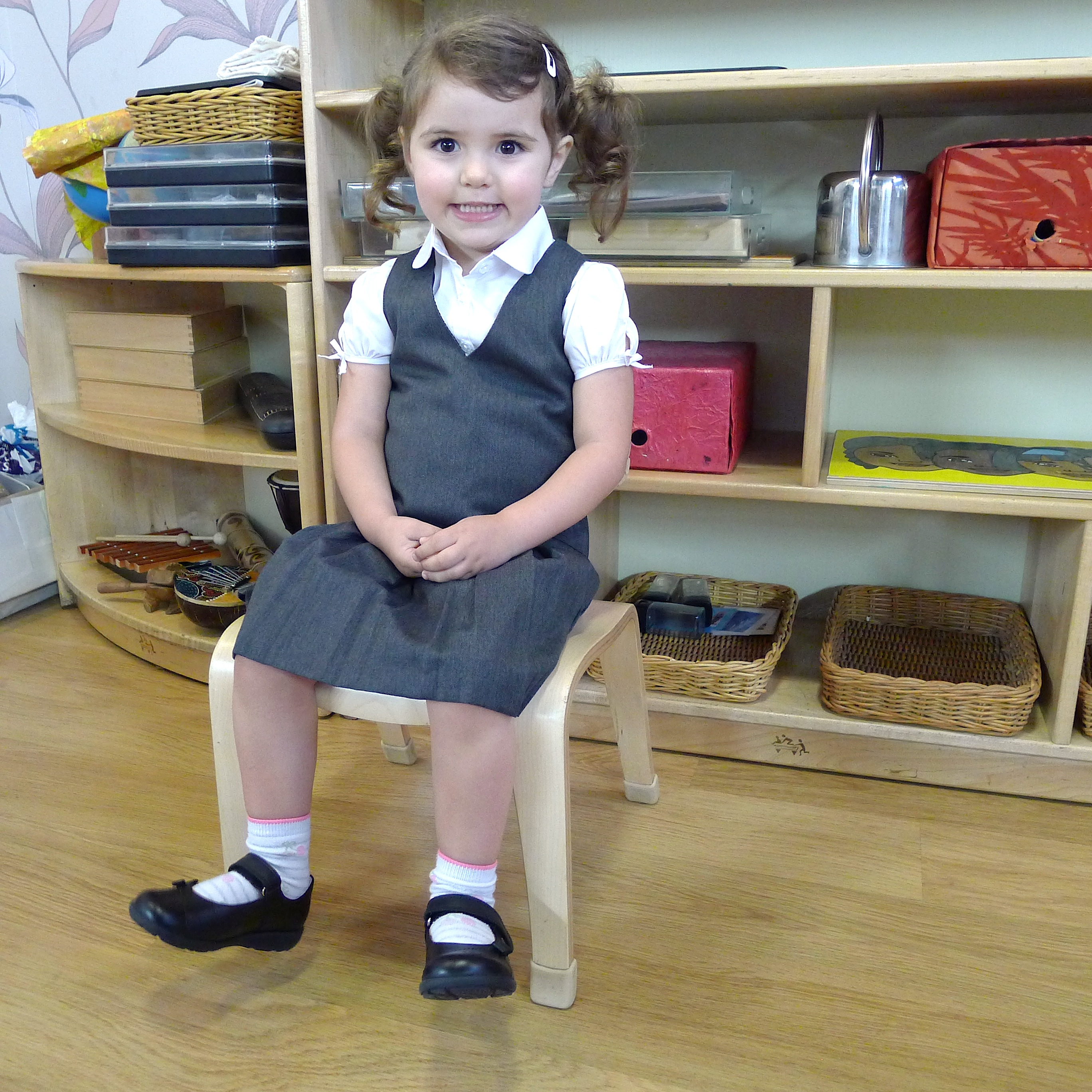
I (Clare) recently read in Teachers College Record a fascinating commentary about reading comprehension by Daniel T. Willingham & Gail LovetteCan Reading Comprehension Be Taught? http://www.tcrecord.org/Content.asp?ContentId=17701Amelia1stDay

For those of you who teach literacy in elementary school or teach literacy methods courses in teacher education programs you might find their analysis of why teaching comprehension very interesting. In my local school districts teaching specific comprehension strategies seems to be the latest bandwagon. On one level I think direct instruction on how to comprehend/make sense of text can help struggling readers.

On the other hand, one of my issues is with the way these strategies are taught. These comprehension strategies are listed on a poster and students are expected to use those specific 8 strategies. They are drilled over and over and over on them. If a student does not “get them” the first ten times of drilling will they ever get them?

So I found Willingham and Lovette’s explanation informative on why this approach can work interesting:

The funny thing about reading comprehension strategy instruction is that it really shouldn’t work, but it does. This commentary seeks to provide insight into how it should work and guidance on effective strategies for implementation.

They provide reasons why teaching comprehension strategies work:phone1

Here’s our interpretation. The vague Ikea instructions aren’t bad advice. You’re better off taking an occasional look at the big picture as opposed to keeping your head down and your little hex wrench turning. Likewise, RCS encourage you to pause as you’re reading, evaluate the big picture, and think about where the text is going. And if the answer is unclear, RCS give students something concrete to try and a way to organize their cognitive resources when they recognize that they do not understand.

 RCS instruction may be at its best in telling students what reading is supposed to be. Reading is not just about decoding; you are meant to understand something. The purpose is communication. This message may be particularly powerful for struggling readers, whose criterion for “understanding” is often too low (Markman, 1979). One of us works extensively with struggling adolescent readers who frequently approach the task of reading as getting to the last word on the page.

I think one of the ways to go forward is to provide students with many comprehension strategies. I know that when I read I use many more than 8 strategies. If you want to read the entire commentary (which is not too long) here is the article. I will definitely use this article with my teacher education students.Can Reading Comprehension Be Taught


Prioritising classroom community and organisation in physical education teacher education

Congratulations to Tim Fletcher and Kellie Baker on their recent publication: Prioritising Tim Fletcherclassroom community and organisation in physical education teacher education

I (Clare) know that it will be of interest to the many teachers and teacher educators who read this blog. Here is the abstract.

This research investigates how teacher candidates in a primary physical education curriculum and methods course learned about and were influenced by efforts to emphasise classroom community and organisation. Qualitative data in the
form of interviews, focus groups, and course artefacts were gathered from nine
participants throughout one academic term. Analysis of data suggested that most
teacher candidates came to recognise pedagogies that fostered a sense of community;
however, only a few were able to connect this to their developing visions
for teaching. Despite this, all participants came to view the development of a
sense of community as one of the most important aspects of their evolving teaching
practice.

Here is the link to the paper: Fletcher & Baker_2014

Happiness and Teaching – Insights from Dewey

In earlier postings, I (Clive) talked about the need to see teaching and teacher education in very broad terms; to see ourselves as ultimately helping students develop a satisfying, enjoyable or “happy” way of life. This week I came across some wonderful quotes from John Dewey along these lines.

The first is from Democracy and Education (Macmillan, 1916); it emphasizes that we can’t separate our philosophy or theory of education from our philosophy of life.

“[P]hilosophy is at once an explicit formulation of the various interests of life and a propounding of points of view and methods through which a better balance of interests may be effected. Since education is the process through which the needed transformation may be accomplished…philosophy is the theory of education as deliberately conducted in practice” (p. 387).

Two further quotes are from Theory of the Moral Life (Holt, Rinehart & Winston, 1960, orig. 1908, revised 1932). They emphasize again the need for a comprehensive philosophy of life and education, and show the connection between this philosophy and human enjoyment, satisfaction, happiness.

“In isolation, one enjoyment cannot be said to be higher or lower than another…a satisfaction which is seen, by reflection based on large experience, to unify in a harmonious way [one’s] whole system of desires is higher in quality than a good which is such only in relation to a particular want in isolation [satisfactions of the former type together constitute “happiness”] (p. 44). … The office of reflection [is] the formation of a judgment of value in which particular satisfactions are placed as integral parts of conduct as a consistent harmonious whole” (p. 60).

Dewey notes, however, that our philosophy of life and education is never complete: it is always a work in progress.

“The business of reflection in determining the true good cannot be done once for all…. It needs to be done over and over and over again, in terms of the conditions and concrete situations as they arise” (p. 62).

I’m going to share these quotes with my students next week and see what they think – and learn from them. My philosophy of life and education is never complete!


Learning Flexible Program Planning in Pre-Service

Our 1-year consecutive B.Ed. program has begun and I’ve (Clive) had two meetings with my School & Society class. The student teachers are wonderful: committed, talented, experienced in many ways, worldly-wise but friendly. Where do such people come from? Why do they continue to go into teaching when it’s so hard to find a job? Anyway, I’m glad they do.

Our second class was on program development and I stressed that, when they become teachers, they will have much less teaching-time than they thought and will need to prioritize, be flexible, and make choices. This led to a discussion of the extensive unit and lesson plans they will be expected to submit during their program, and the massive long-range plan their future principal will require of them. I related how the teachers in our longitudinal study use shorter lesson and unit plans – and then very flexibly – and seldom refer to their long-range plans. They have trouble seeing the point of such detailed planning exercises.

We agreed that they have no choice – during the program and later – but to fulfill such requirements. However, it makes a big difference to see such planning as a “requirement” they don’t necessarily agree with – rooted in traditional “transmission” models – rather than a “state of the art” approach to teaching. Then they can produce the detailed plans quickly and without undue angst, and get on with the serious business of teaching.

Several students expressed relief at being able to approach it this way; and I saw it as an important window on the complexities of effective, autonomous teaching. It is true that our teaching has to be comprehensive, and we have to know where we’re going. But highly detailed lesson plans that we follow to the letter aren’t the best way to get there. What room does this leave for individualization, student construction of knowledge, and our own on the spot learning as teachers? For my own 3-hour class I usually have about 6 main topics, of which we get to 3 or 4 and often in a different order and with different time allocations than I had planned. And of course we discuss other topics that weren’t even on my list….


Division K Awards: Consider Nominating a Colleague

I (Clare) feel it is so important to recognize the fine work done by my colleagues. AERA Division K has a host of awards. Below is a list of awards. Please circulate this list of awards to your network and consider nominating a colleague for one of these awards.

DIVISION K –

Teaching and Teacher Education Awards

2014-2015 Call for Nominations

As teacher education undergoes increased scrutiny and is pressed to demonstrate its contributions to teacher and student learning, Division K’s awards take on added importance as a means by which to elevate exemplary scholarship in our field.

The AERA Division K awards aim to recognize the teacher education scholarship of division members who are addressing persistent issues of urgent concern to the field. While the six individual awards committees will focus, as intended, on their respective areas of emphasis, each will also take into account the Division’s overarching call for attention to issues of profession-wide concern. To this end, each committee will give special consideration to award submissions that hold promise for improving teacher education policy and practice in the following areas: strengthening, deepening and further developing the knowledge and research base for teaching and teacher education; providing rigorous and educative clinical experiences; preparing teachers to serve students with diverse cultural and experiential backgrounds; supporting teachers to understand and apply theoretical and empirical perspectives on teaching and learning; articulating well-designed, evidence-based pedagogical practices in teacher education; and/or developing and implementing new approaches for assessing and evaluating teachers’ practices in preservice and inservice settings. In particular, committees will weigh the potential of nominees’ work to advance the profession of teaching and the practice of teacher education.

Please consider submitting nominations so that we, as a Division, can showcase members’ excellent works, thereby building a stronger knowledge base and making our colleagues’ valuable contributions more widely known among educators and policymakers.

All nominees and nominators must be current members of AERA’s Division K. Self-nominations ARE NOT accepted. Letters of nomination should be sent via email to each award committee chair, referenced below. Particular requirements associated with each award and materials needed for the nominations are described in detail below. Please note that all nomination letters must be submitted by November 1, 2014.

 Outstanding Dissertation Award

Chair: Maritza Macdonald, American Museum of Natural History

This award recognizes a dissertation of exemplary conceptual, methodological, and literary quality on an important topic in teaching and teacher education.  For this year’s award, dissertations completed between August 1, 2013 and August 1, 2014 may be nominated. A dissertation may be submitted for consideration only once and can be nominated for an award within only one division of AERA. The committee uses a blind review process; only the committee chair will know the identity of the nominator and nominee.

Dissertations employing any theoretical and methodological orientation may be nominated as long as they make an important contribution to teaching and teacher education.  In addition to reflecting the highest of standards of methodological rigor, nominated dissertations should focus on issues that are currently crucial to the field, including teacher and teaching quality and innovative means for documenting and assessing the processes and outcomes of teaching, teacher education, induction, and/or professional development. Special consideration will be given to dissertations that generate insights which hold promise for advancing educational equity; the committee will also consider the strength of a dissertation as it relates to the overarching Division K call for focused attention on persistent issues of urgent concern to the field. (See the overarching call above.)

Nomination for the dissertation award comes in the form of a one-page letter and overview from a member of the dissertation committee. Upon receipt of nominations, the Dissertation Award committee chair will solicit additional materials directly from nominees. Additional nomination materials include: (1) a title sheet showing the dissertation title, awarding institution, members of the dissertation committee, date of completion of the degree, and nominee’s current contact information; (2) the table of contents of the dissertation; and (3) a summary of the dissertation written in an accepted publication format (such as APA) not exceeding 7500 words in 12-point font, exclusive of title page, references, and appendices and without author identification. Nominations must be received no later than November 1, 2014. All nominations should be sent electronically with the subject line “Division K Outstanding Dissertation Award Submission” to the chair, Dr. Maritza Macdonald, Senior Director of Education and Policy, American Museum of Natural History, mmacdonald@amnh.org

 Early Career Award

Chair: Kathy Schultz, Mills College

This award, made to a researcher in the first stages of the research career (degrees awarded during or after 2007 and up to two years post-tenure), recognizes a significant program of research on important problems of theory and/or practice that focus on teachers, teaching, or teacher education. Recipients of this award must be engaged in inquiry that extends a significant line of research, addresses an issue that has been neglected in the field, fills a gap in current knowledge, or raises significant questions about extant knowledge. In addition, awardees should be engaged in studying problems or questions that are timely and that contribute to current policy debates or dilemmas of practice. The scholar’s body of work must be characterized by methodological rigor, momentum and coherence, and must show potential to contribute significantly to scholarship in the field. In addition to criteria outlined here, the Early Career Award committee will also consider the strength of nominees’ submitted works as they relate to the overarching Division K call for focused attention on persistent issues of urgent concern to the field. (See the overarching call above.)

To nominate a Division K member for the Early Career Award, please submit a one-page letter describing the nominee’s qualifications and fit for the award. Upon receipt of nominations, the Early Career Award committee chair will solicit additional materials directly from nominees. These additional materials include: (1) the nominee’s most recent curriculum vitae, (2) two representative scholarly publications, and (3) one additional letter of support from an individual familiar with the nominee’s contributions to scholarship in teaching or teacher education. Letters of support should address how the research demonstrates qualities detailed in the paragraph above as well as in the overarching call for Division K award nominations. Nominations must be received no later than November 1, 2014. All nominations should be sent electronically with the subject line “Division K Early Career Award Submission” to the chair, Dr. Kathy Schultz, Professor and Dean, Mills College, kschultz@mills.edu

Mid-Career Award

Chair: Guofang Wan, Virginia Commonwealth University

This award honors an outstanding researcher in the second stage of his or her research career, i.e., between 10 and 15 years beyond receiving the doctoral degree. It is designed to recognize a significant program of research on important issues in teaching or teacher education.

Examples of work that will be considered for selection include research and scholarship that illustrate how students learn a concept in a particular content area; generate insights into the role of culture, socioeconomic status, language background, religion, and/or sexual orientation in the learning and/or teaching process; capture the role of various factors or experiences in the careers of teachers such as mentoring, collaborating with others, conducting action research or participating in an inquiry group; advance equity in schooling or teacher education practices; show innovation and rigor in methodology; and/or illustrate how families/communities can become partners with teachers in educating their children. Work submitted will be evaluated according to how the researcher’s trajectory demonstrates beneficial aims and outcomes; how the body of work advances knowledge about teaching or teacher education; how the researcher’s corpus demonstrates contribution to the well-being of students, teacher candidates, teachers, teacher educators, or families/communities; and the scholarly robustness of the work.

The noted contribution may be the result of a single research project or the accumulation of projects that have shaped thinking and/or practices in teaching and teacher education. In addition to criteria outlined here, the committee will also consider the strength of nominees’ submitted works as they relate to the overarching Division K call for focused attention on persistent issues of urgent concern to the field. (See the overarching call above.)

To nominate a Division K member for the Mid-Career Award, please submit a one-page letter describing the nominee’s qualifications and fit for the award. Upon receipt of nominations, the Mid-Career Award committee chair will solicit additional materials directly from nominees. These additional materials include: (1) the nominee’s most recent curriculum vitae, (2) two representative scholarly publications, and (3) two additional letters of support from individuals familiar with the nominee’s contributions to scholarship in teaching or teacher education. Letters of support should address how the research demonstrates qualities detailed in the paragraph above as well as in the overarching call for Division K award nominations. Nominations must be received no later than November 1, 2014. All nominations should be sent electronically with the subject line “Division K Mid-Career Award Submission” to the chair, Dr. Guofang Wan, Professor and Director of Graduate Studies, Virginia Commonwealth University, gwan@vcu.edu

Innovations in Research on Diversity in Teacher Education

Chair: Lee Bell, Barnard College

The Division K Innovations in Research On Diversity in Teacher Education Award recognizes research that demonstrates innovation in addressing issues of diversity in teaching and/or teacher education.  Nominees may be individuals (junior, mid-career, or senior scholars) or a small collaborative group whose innovative research: explores and/or demonstrates powerful new ways to think about diversity in teaching and teacher education, giving direction to the field and to policy makers; offers an expanded vision of a theoretical framework, research methodologies, or practices regarding diversity in teaching and teacher education; or provides new models of research that give direction to the field concerning diversity in teaching and teacher education.  The innovative contribution may be the result of a single research project or the accumulation of projects that have directly shaped thinking and/or practices regarding diversity in teaching and teacher education and must have been published as a peer-reviewed publication, such as a journal article or scholarly book.

Nomination materials are rated in a two-phase process.  The innovation under consideration is the premiere criterion and should be clearly evident. After rating the value and importance of the innovation, additional criteria are examined regarding how the innovation: (1) focuses on diversity; (2) contributes to teacher education; (3) is significant/has made an impact; and (4) contributes to policy and practice.

In addition to criteria outlined here, the committee will also consider the strength of nominees’ submitted works as they relate to the overarching Division K call for focused attention on persistent issues of urgent concern to the field. (See the overarching call above.)

To nominate a Division K member for the Innovations in Research On Diversity in Teacher Education Award, please submit a one-page letter explaining how the nominee qualifies to be recognized for the award, clearly specifying the innovation under consideration and its value in addressing issues of diversity in teacher education. Upon receipt of the nominating letter, the award committee chair will solicit additional materials directly from each nominee. These additional materials include: 1) the nominee’s most recent curriculum vitae; 2) two representative scholarly publications; and 3) two additional letters of support from individuals familiar with the nominee’s contributions to scholarship in diversity in teaching or teacher education. Letters of support should address how the research demonstrates qualities detailed in the paragraph above as well as in the overarching call for Division K award nominations. Nominations must be received no later than November 1, 2014. All nominations should be sent electronically with the subject line “Division K Innovations in Research on Diversity Award Submission” to the chair, Dr. Lee Bell, Professor and Barbara Silver Horowitz Director of Education, Barnard College, leebell@barnard.edu

 Exemplary Research in Teaching and Teacher Education

Chair: Jon Snyder, Stanford University

This award recognizes the significant contribution to teaching and teacher education scholarship represented by a journal article or book published between January 2013 and July 2014. Special consideration will be given to nominated articles or books that: advance equity; generate insights that hold promise for ensuring the preparation of teachers who are equipped to serve all students; bring new methods to bear on the study of teacher education; reflect the highest standards of methodological rigor; and/or capture in ground-breaking ways the processes and outcomes of teacher education practice. In addition to criteria outlined here, the Exemplary Research in Teaching and Teacher Education Award committee will also consider the strength of nominees’ submitted works as they relate to the overarching Division K call for focused attention on persistent issues of urgent concern to the field. (See the overarching call above.)

To nominate a Division K member for the Exemplary Research in Teaching and Teacher Education Award, please submit a one-page letter describing the merits of the research publication, together with a copy of the nominated article. If a book is nominated, please ask the publisher to mail 6 copies of the nominated book to the award committee chair. Upon receipt of the nomination and written publication that is under consideration, the award committee chair will request a current curriculum vitae from each nominee. Nominations must be received no later than November 1, 2014. All nominations should be sent electronically with the subject line “Division K Exemplary Research in Teaching and Teacher Education Award Submission” to the chair, Dr. Jon Snyder, Executive Director, Stanford Center for Opportunity Policy in Education, jdsnyder@stanford.edu

Legacy Award

Chair: Celia Oyler, Teachers College, Columbia University

The Division K Legacy Award recognizes senior members of Division K who have made significant and exemplary contributions through their research, teaching and professional service in the field of teaching and teacher education. Special consideration will be given to contributions that reflect the purposes and goals of Division K: (1) to advance knowledge about teaching and teacher education; (2) to encourage scholarly inquiry related to teaching and teacher education, and; (3) to promote the use of research to improve teaching and teacher education to serve the public good. Recipients will be recognized in a profile in the newsletter and in the proceedings of the annual Division K Business meeting. In addition, a donation will be given to the recipient’s university to support graduate student travel to present at an AERA Annual Meeting. The recipient will also be featured on the Legacy Award Hall of Fame page of the Division’s website. Priority will be given to emeriti and newly deceased members so that their contributions can be honored in a timely and worthy fashion.

Any nominee must meet at least three of the following seven criteria: (1) has played an active and long-standing role in the work of Division K; (2) is highly respected and has been recognized by others (nationally and internationally) as a leader in the field of teaching and teacher education who has contributed to the public debate on critical issues related to teaching and teacher education; (3) has actively promoted the use of research to improve teaching and teacher education serving the public good; (4) has conducted original, and innovative research that has been widely accessible to other researchers and practitioners and has had a major impact on teaching and teacher education; (5) has a distinguished record of teaching in the field of teaching and teacher education, as evidenced by the receipt of teaching awards, and commendations from students, or the equivalent; (6) has played an active role in the preparation of high-quality and innovative materials for teaching and teacher education; (7) has supported others—in particular new and younger scholars—to further their research and teaching in the field through mentoring, collaborative research and professional development opportunities, and other similar activities, both in Division K and in other similar professional/academic venues.  In addition to these seven criteria, the Legacy Award Committee will also consider the strength of nominees’ submitted works as they relate to the overarching Division K call for focused attention on persistent issues of urgent concern to the field. (See the overarching call above.)

To nominate a Division K member for the Legacy Award, please submit a one-page letter describing how the nominee exemplifies the criteria described above.  The chair will also collect additional supporting documentation including: (1) curriculum vitae, (2) sample publications, and (3) personal website information. Nominations must be received no later than November 1, 2014. All nominations should be sent electronically with the subject line “Division K Legacy Award Submission” to the chair, Dr. Celia Oyler, Professor of Education, Teachers College, Columbia University, co74@tc.columbia.edu