I (Pooja) am taking a course at U of T this term which focuses on the practice and theory of teaching in higher education. When discussing approaches to teaching, the professor displayed Edgar Dales’ Cone of Learning graphic. Although this was something I was aware of, it served as a good reminder in how I design my courses and lessons each class.
All posts by poojadharamshi
A Beautiful Example of Digital Technology Used to Re-Imagine Literacy
I (Pooja) read a blog post I wanted to share with you all. Lee Bessette, a college instructor, shared an experience of how technology was used as a tool to “re-reading, re-teaching, realizing.” Bissette, while teahcing the works of Thomas King (Indigenous writer), had students use their laptops, smartphones, and tablets to make real-time connections with the text. She explained:
…all of my students have laptops or tablets or smartphones, so instead of me telling them who the actors are and why it matters, I have them use google. And find pictures. And look at the shows and history. And who W.P. Kinsella is and why he is being referenced. And then they can collaboratively annotate the text.
We didn’t come up with any hard answers, but just explored theories, including one reference to the first lines of Paradise Lost that a student found by googling “garden, heaven, seat, Eden.” And many of my students are still struggling with this level of discourse around literature. But, as I told them today in an email (I know, SO OLD SCHOOL OF ME), that these readings that we did today around the setting of the garden were completely new to me, too, even after reading and teaching this story countless times. And that it has taken 20 years of practice to have a DUH moment like that one I had before class about said garden.
But the moment wouldn’t have come if it hadn’t been for the integration of technology in active and productive ways in my classroom practice. I could have the students find and collect the information needed to begin to make meaning in the text and focus on taking that process of meaning-making to the next level. They still don’t believe me when I tell them to “google it” and require them to annotate together, but I think after today we are all finally heading in the right direction.
Bessette demonstrates how all the smart technology brought into class on a daily basis could be used in a truly meaningful way. She used technology to enhance student learning by digging into a text in multimodal ways. By having student collaboratively annotate the text, she had them learn from one another and in turn gain deeper insights. A great model for using digital technology to re-imagine literacy!
Read the whole blog post here:
Teacher Diversity: Study Reveals a Decline in Teachers of Colour Across the U.S.
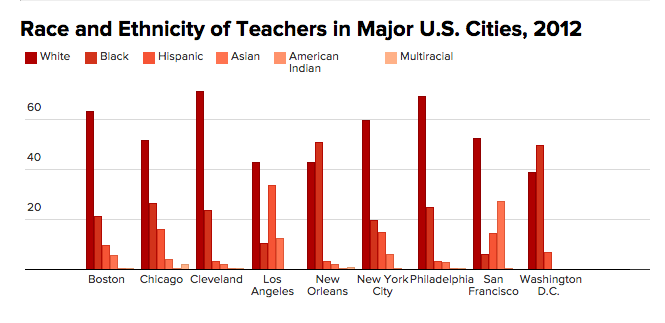
The Albert Shanker Institute recently released findings from their study titled: The State of Teacher Diversity in American Education. The examined teacher diversity from 2002 to 2012 in nine major American cities: Boston, Chicago, Clevland, LA, New Orleans, New York City, Philadelphia, San Francisco, Washington D.C.
Findings from the study revealed that the number of teachers of colour has dropped over the past decade across all nine cities. Albert Green from The Atlantic noted “Despite the fact that more students of color will be filling classrooms at increasing increments every school year, it’s a well reported fact that almost 80 percent of their teachers are white—and it doesn’t appear that that will change any time soon.” Green concludes his article asking pertinent questions in attracting and retaining effective teachers of colour. He says:
It is no longer a question of, do we need teachers of color? There is no shortage of data that shows that minority teachers not only help improve the outcomes of students who share their background, but also that of academic performance of students of all races are improved. The questions now are: What can be done to curb the high-attrition rates for minority teachers, and will addressing hiring disparities for black and Hispanic teachers do enough to equalize students’ attainment levels?

The Albert Shanker Institute reports outlines a number of recommendations on a local, state, and national level. Some of these recommendations include:
- To increase the number of highly qualified minority teachers—and particularly Black, Hispanic and American Indian teachers—entering the profession, the U.S. Education Department and the state departments of education should invest in and support high-quality teacher education programs at historically Black colleges and universities (HBCUs), the nation’s Hispanic-serving institutions (HSIs), tribal colleges and universities (TCUs) and public colleges and universities serving large numbers of minority students.
- To ensure that novice teachers are well prepared to enter the classroom and receive the mentoring and support they need to be successful, the U.S. Education Department and the state departments of education should establish incentives for close partnerships between colleges of education, on the one hand, and school districts and charter networks, on the other hand. Particular attention needs to be paid to providing adequate mentoring, support and training in culturally responsive practices to novice teachers—of all races and ethnicities—working in the challenging conditions of high-poverty, de facto racially segregated schools
- Urban school districts, district schools, charter networks and charter schools should develop close partnerships with colleges of education to ensure that an increased supply of well-qualified Black and Hispanic teachers are prepared to teach in city schools.
The Albert Shanker Institute Study:
The Atlantic Article:
http://www.theatlantic.com/education/archive/2015/09/teacher-diversity-viz/406033/
An Educator’s Guide To “Minding Our Digital Footprints”
Reasons the U.S. Schooling System is Failing?
Education Week recently published an article outlining 8 (more) reasons the education system in the U.S. is failing. Matthew Lynch (2015) has put out a multi-series of articles discussing the issues which surround U.S. schooling today.Take a look at the list below. Do you feel all these items belong on this list? What is missing from this list? After reading the earlier parts of this series, I don’t see much attention paid to the state of teacher education or how teaching is viewed as a profession. I would love to hear your thoughts on this list:
- We still do not know how to handle high school dropouts
- We have not achieved education equity
- Technology brings a whole new dimension to cheating
- We still struggle with making teacher tenure benefit both students and teachers
- More of our schools need to consider year-round schooling
- We are still wrestling the achievement gap
- We need to consider how school security measures affect students
- We need to make assistive technology more available to students with disabilities
To read the entire article click here:
To read the rest first part of the series, click here:
Creating Interactive Content
I recently learned about a useful digital technology app I am sure I will be using this upcoming school year. Riddle is an app which let’s you easily and quickly create:
- opinion polls
- lists
- quizzes
- personality tests
- commenticles (commenting on articles)
Riddle allows you to customize your content by adding images,YouTube videos, animated gifs, articles from the web, personal photos, etc. Once your interactive social content (opinion poll, list, quiz, test, commenticle) is created, there are several ways to share it. You can embed the content into your own blog or website. Or you could e-mail the link out to your class. You can also share your created content through Facebook or Twitter.
I spent 30 minutes playing around on this site and came up with so many great ideas on how to use it in my classroom. Using the opinion polls, I will create an ice-breaker activity and e-mail it out to my class and show the results on the first day of class. Also, if I want my class to discuss an article, I will use the commenticle feature. Below is a commenticle I made on Riddle:
To learn more about RIddle and make your own interactive content this school year, check out the link:
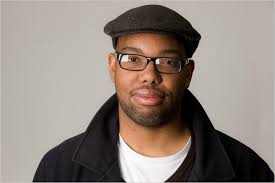
Ta-Nehisi Coates on Writing
Celebrated writer and editor of blog The Atlantic, Ta-Nehisi Coates, provides advice to writers. Coates writes about social, cultural, and political issues for The Atlantic, The New York Times, and has published several books. In this short yet powerful video, Coates describes writing as an “act of courage.” He explains: “I always consider the entire process about failure, and I think that’s the reason why more people don’t write.” Coates reminds new writers that ultimately writing is about perseverance.

Watch the video here:
Lens Blog and Visual Thinking Strategies
When developing the photo essay assignment for my course, I came across an excellent resource for teachers and students. The New York Times has started a blog entitled Lens: Photography, Video, and Visual Journalism. The topics covered in the blog posts touch on several critical issues such as immigration, race, and class. The photos captured in each of the photo essays serve as a great entry point into rich discussion. When using the Lens Blog in my classroom I find myself drawing on skills I developed during workshops many years ago.
When I was a public school teacher, I participated in a fascinating series of professional development workshops called Visual Thinking Strategies (VTS). By analyzing carefully selected images, students were able to develop critical literacy skills as well as visual literacy skills. Teachers were facilitators in this process and asked three open-ended questions:
1. What’s going on in this picture?
2. What do you see that makes you say that?
3. What more can we find?
I found myself using the VTS approach when presenting students the photo essays from the Lens blog. Students in my class really engaged with the photos and rich discussion took place as a result. I will definitely be using this blog for years to come in the classroom.
Below are some powerful images from photo essays on the Lens Blog.


Link to VTS site: http://www.vtshome.org/
Link to NYT Lens: http://lens.blogs.nytimes.com/
The Power of Photo Essays
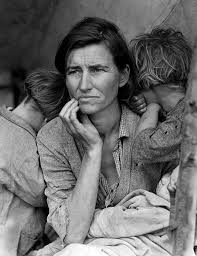
I have just started teaching a unit on media, specifically social documentaries. So far we have studied the important work of American photographer Dorothea Lange related to the rise and significance of “concerned photography” (also known as “compassionate photography”). Students have engaged deeply with the photos and answered questions adapted from New York Times Critical Lenses guide such:
- What feelings does this photograph create for you, the viewer?
- How personal/impersonal is this photo? What elements make it this way?
- Why do you think this photograph was taken?
- Is this photo timely? Does it have a timeless quality? Why or why not?
Photos of Lange’s we analyzed in class:


Beyond studying the background of photo journalism, students will learn the basic principles of photography (e.g., rule of thirds, movement, lines, etc.). Following this, students will have the opportunity to create their own social documentary in the form of a photo essay. Students are still thinking through topics, but they are to tell an “untold story” from their lives. Topics which we have brainstormed so far have included: The shifting landscape of the Regent Park neighbourhood in Toronto, Canada; Cultural traditions of the First Nations people in Ontario, Canada; and A Day in the Life of the Pan Am Games 2015.
I am looking forward to seeing what stories students decide to tell. I will keep you posted on the process! I am learning so much along with my students!
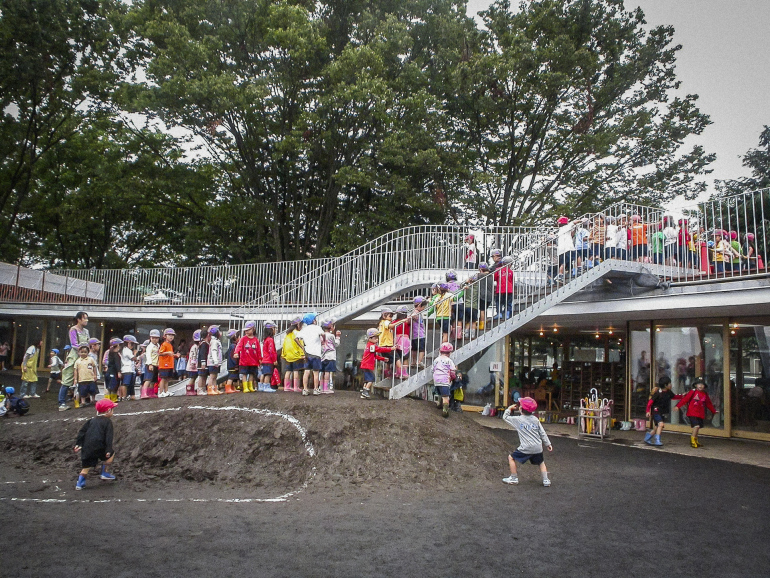
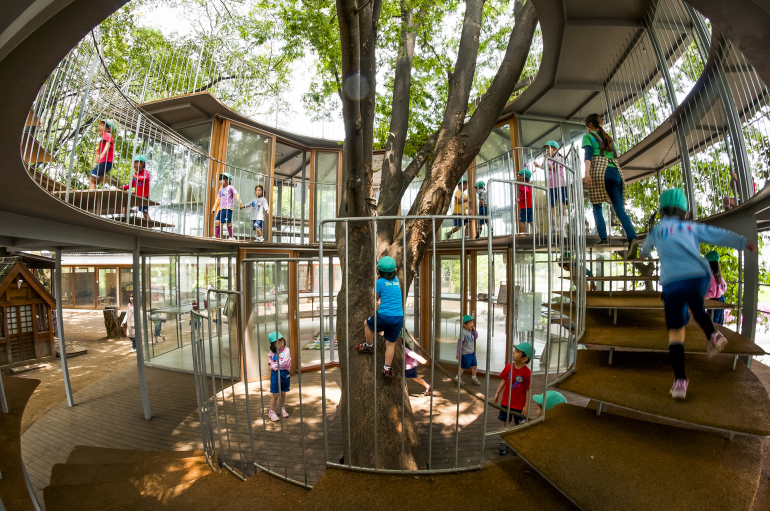
Fuji Kindergarten
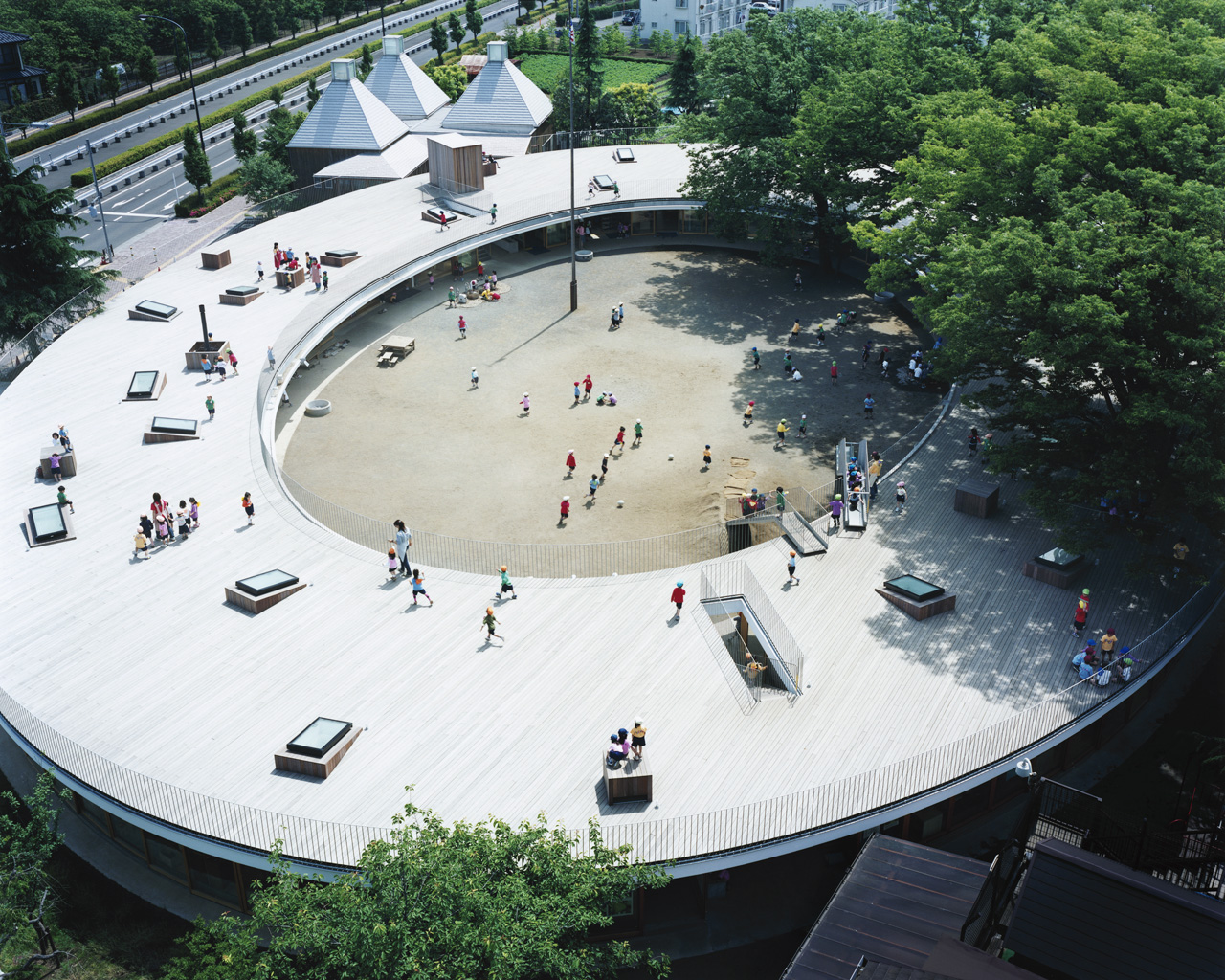
Takaharu Tezuka is the architect behind Fuji Kindergarten, deemed by some as the best Kindergarten in the world. Tezuka followed around his own young children to inform his school design. He designed a school which encourages pupils to move, play, dream, imagine, and grow.
Thu-Hoang Ha, author from Ideas.Ted.Com describe the schools’ most notable features:
- Circular playground lets the kids run forever
“We designed the school as a circle, with a kind of endless circulation. When we started, I had no preconceived notions. Studying other kindergartens was like looking in the rearview mirror of a car: Even if you look very closely, you can’t see anything in front.”
- Pupils can slide to class
- Pupils can climb to class
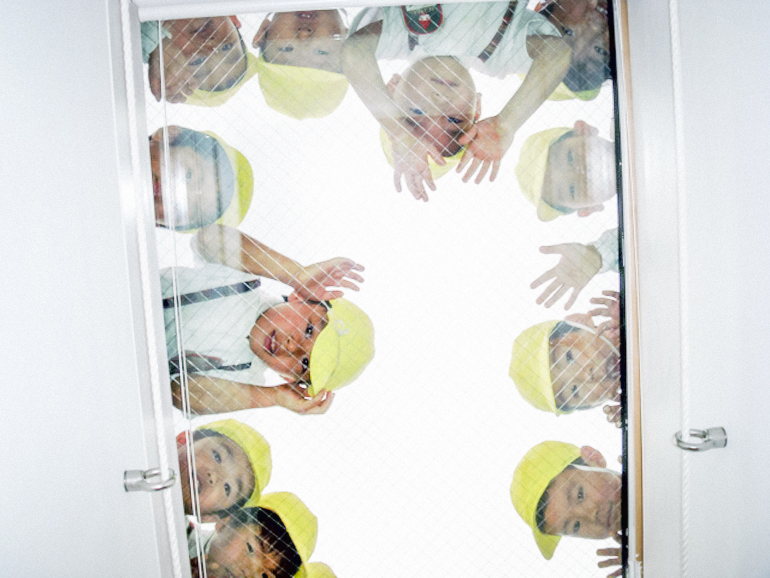
- Intentional Distractions
“The kids love to look through the skylights from the roof. ‘Where’s my friend?’ ‘What’s going on underneath in class?’ And when you look down, you always see kids looking up from below. Here, distraction is supposed to happen. There are no walls between classrooms, so noise floats freely from one class to the other, and from outside to inside. We consider noise very important. When you put children in a quiet box, some of them get really nervous.”
Read more here: http://ideas.ted.com/inside-the-worlds-best-kindergarten/
Watch a video on the Fuji School here: https://www.youtube.com/watch?v=Rd7mR3lb3yg