We (Clare) have begun the third round of interviews of for our research study of Literacy/English teacher  educators. A focus of these interviews is on their use and views of digital technology. We have learned about some very clever ways technology is being integrated into their literacy methods courses. Wow! What a range of interesting examples:
- Blogs (student teachers do blog post on the disciplines e.g., their insights into teaching)
- vodcasts
- podcasts (both professionally made and student-teacher made)
- virtual tasks (done individually and in small groups)
- surveys (during the course to monitor student teacher learning)
- You Tube videos
- websites
- student teacher-made videos of practice teacher
- SKYPE (with authors that they are reading class)
- discussion on BlackBoard on readings prior to class
- cartoons
- photos
- PPT
- Wikis
- Voice Thread
- Email (a way to remain connected to student teachers during practice teaching, especially for those working in rural areas)
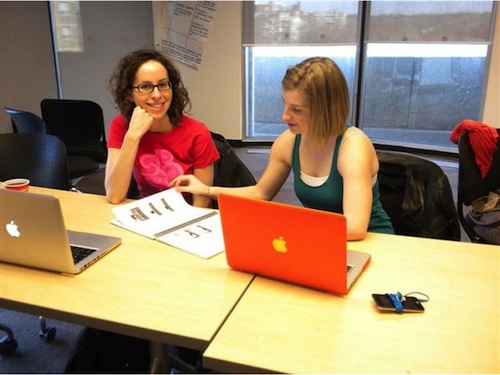 Videos were used frequently. These were seen as a way for student teachers to observe and analyze exemplary practice.
When asked the question, What does digital technology provide you that you could not do decades ago?, there was overwhelming recognition that technology is supporting and enhancing teaching and learning. It provides ready access to materials, supports development of community (e.g., student teachers introduce themselves prior to the course beginning; social media connects them socially), and extends their repertoire of pedagogies. All felt that their efforts to teach with, through, and about digital technology took a huge amount of time and effort.

 As a former elementary teacher, I (Monica) know that there are many things that influence how teachers teach in their classrooms. In our longitudinal study of teachers, Teacher change: patterns, factors, and implications for professional education, we have been learning from teachers about the kinds of formal and informal professional development that they find most relevant and helpful. One of the factors that intrigued me early on in the study was the influence that the teachers’ own early schooling had on their teaching. I interviewed 6 of our participants over the first three years of their teaching and discovered that they all use one or two teachers from their own childhood as role models for their teaching. My research has just been published in Language and Literacy: A Canadian e-Journal. Here’s the link:






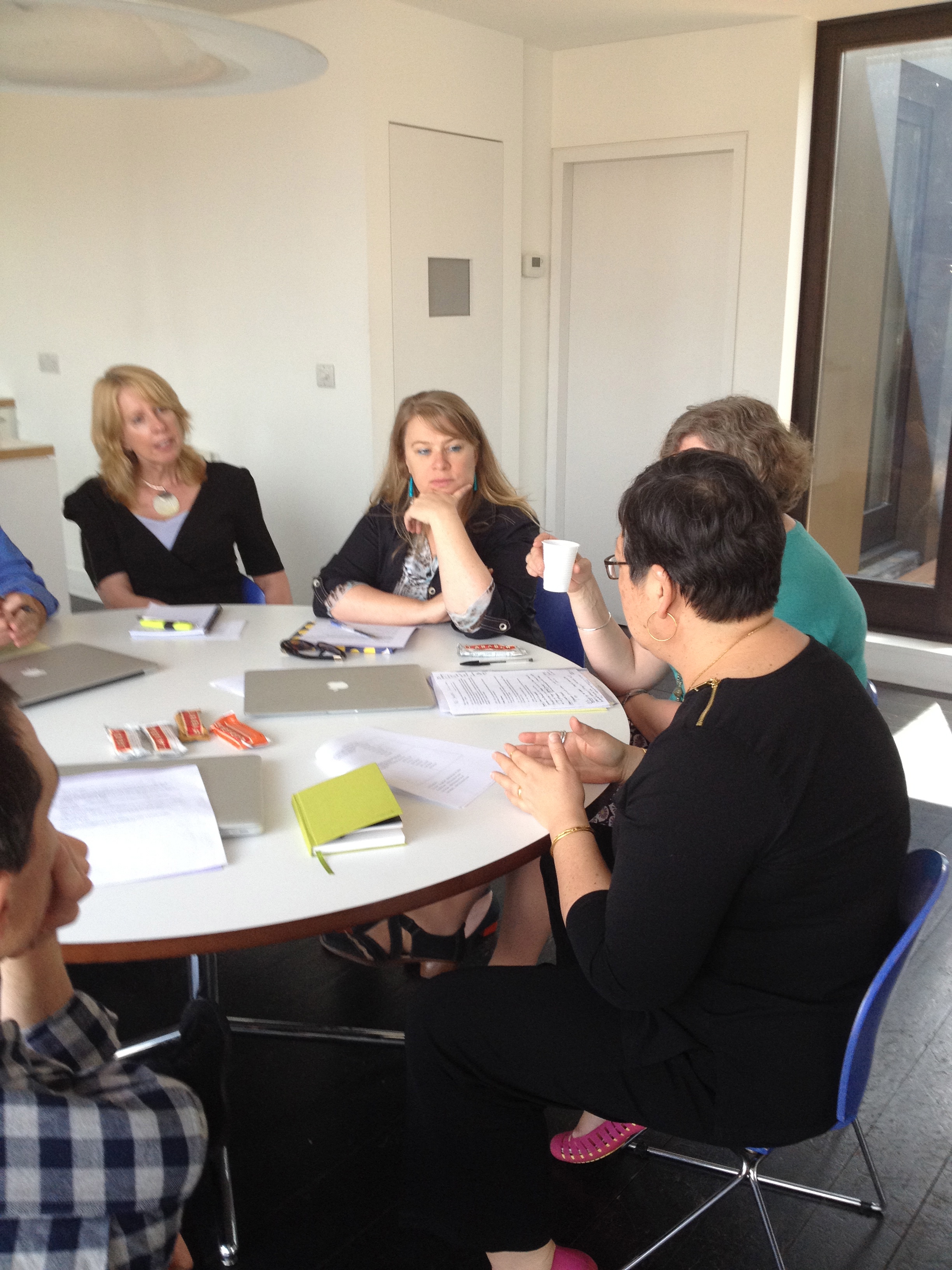


 Yesterday, we (Clare’s grad students) had the honour of seeing Clare awarded the 2014 JJ Berry Smith Doctoral Supervision Award. Professor Brian Corman, Dean of Graduate Studies (Uof T), acted as MC for the proceedings. Dean Corman reported there were many distinguished applications and the selection committee was under great pressure. However, the decision to award Clare was unanimous. 19 letters from present and former grad students were included in the application. Dean Corman shared some of the comments written in the letters: “epitome of a pedagogy of caring”, “challenged me to think deeply”, “met with me weekly, which after talking to other grad students, I realized other supervisors did not do”. Clearly, her students felt privileged to have worked and be working with her.


 Literacy Teaching and Teacher Education