Category Archives: teaching

Cartooning the Digtial World

Danish writer Mikael Wulff and cartoon artist Anders Morgenthaler are the creative duo known as Wumo (formerly known as Wulffmorgenthaler).  Their rise to success started in 2001 when they entered and won a cartoon competition. When they won, they received a one-month run of their comic strip in Politiken, a national Danish newspaper.  Their popularity soared with the new exposure, and they soon found more and more publishers, including several blogs and newspapers throughout Scandinavia and Germany.

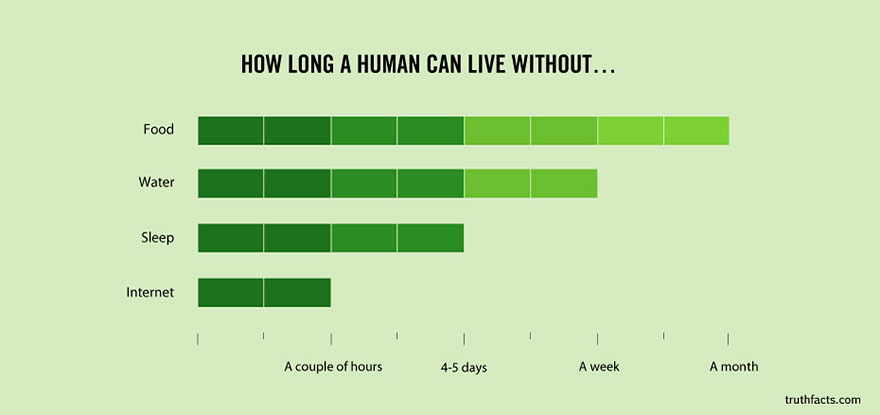
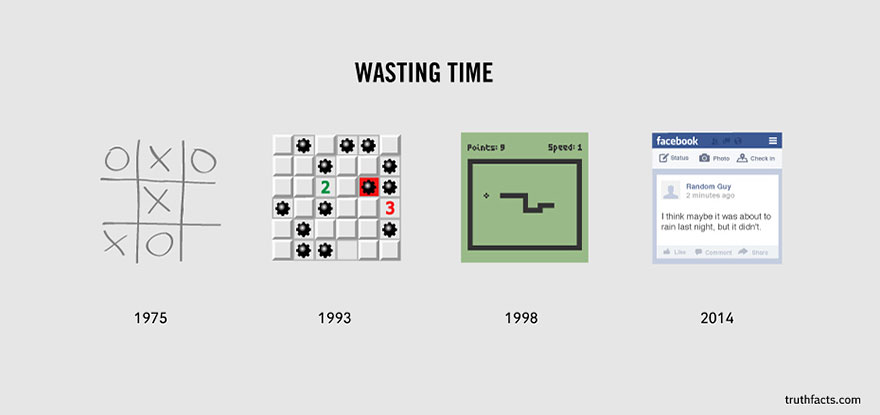
Among their works is a brilliant series of graphs and diagrams that illustrate some of the basic painful truths of everyday life in the Western world.  For your entertainment I (Cathy) have selected a few of my favourites that pertain specifically to digital technology and shared them below.  (Too enlarge a graphic, simply click on it).

Enjoy!

digitl medialed loled need interneted on line datinged facebooked wasting time

Debating the Common Core

The Washington Post calls attention to the ongoing debate over the Common Core Standards by featuring a letter writing exchange between two school Principals who express their differing views on the standards. The first letter is written by Carol Burris, Principal of South Side High School in New York, who was once a strong supporter of the Common Core but is now a critic of the standards. Burris noted, “I do not think it is a good idea to homogenize standards as untried as the Common Core, across our nation. What we teach our children is far too important to submit to a national experiment. Practicing educators, child development experts and parents should be deeply engaged in the process of standard setting in our states. Standards should be debated, reviewed and refined.” A response will be written by Jayne Ellspermann Principal of West Port High School in Ocala, Florida. See the link provided to read this informative exchange:

www.washingtonpost.com/blogs/answer-sheet/wp/2015/02/17/why-i-once-liked-common-core-but-changed-my-mind-one-principals-view


Sue Dymoke: Making Poetry Happen

I (Clare) am happy to share news of a newly published text by Sue Dymoke: Making Poetry Sue DymokeHappen. (Sue is pictured with her new text.) I was lucky to review this text and here is my endorsement. This is an outstanding collection that gives voice to teachers and students as they meet poetry. It is essential reading for those who want to make poetry happen. An invaluable resource for new and experienced teachers, reading this text will change how you approach poetry. Rarely have I read a book that is so transformative. will become a classic.

Here is a link to an interview with Sue Dymoke.http://www.nottinghampost.com/Making-poetry-open-book/story-25887273-detail/story.html

  Making Poetry HappenFor those of you who are literacy/English teacher educators or classroom teachers I highly recommend this text. I learned a huge amount and thoroughly enjoyed every chapter. The stories written by teachers and academics are inspiriting and informative. I used some chapters with my student teachers who felt transformed. Many said they had never experienced poetry this way. Here is a link to Bloomsbury Publishers: http://www.bloomsbury.com/uk/making-poetry-happen-9781472510266/

Guest Blog: Monica McGlynn-Stewart

Hungry Caterpillar

Dual Language Texts

In my (Monica) preservice ECE class this week I had the most amazing experience. The Monica McGlynn-Stewartclass had been given the task of finding a dual language picture book for young children that was inviting and enticing and would support the language and literacy learning of children whose home language was not English. My students were encouraged to choose books that represented their own home languages. We have a wonderfully diverse class and they took up the challenge with enthusiasm. If they couldn’t find a dual language picture book in their home language, they translated a text and added it alongside the English text. For those (like me!) who only speak English, they were encouraged to choose a text that represented the language of children in their placement. They needed to develop six pedagogical strategies that they would employ when using the book with young children. I gave them a fabulous article by Gillanders and Castro (2011) the journal Young Children entitled “Storybook Reading for Young Dual Language Learners” as inspiration.

http://www.naeyc.org/files/yc/file/201101/GillandersR_Online0111.pdf

On Tuesday, they came with their picture books and their strategies, eager to begin. In small groups they took turns sharing their books, props they had made, teaching each other words in other languages, and practicing their strategies such as doing a “picture walk” through the text and pre-teaching key words or phrases that the children could chime in with during the reading. I had never seen the class so alive and so engaged. There were a dozen languages in the air. My students who were English Language Learners themselves, who were generally quiet and shy, were confidently sharing their expertise in their home languages. What I learned was the use of dual language texts can benefit not only young learners, but can also be an opportunity for dual language preservice students to value their home languages as a rich resource that they bring to their teaching.


Creating an Audit Trail

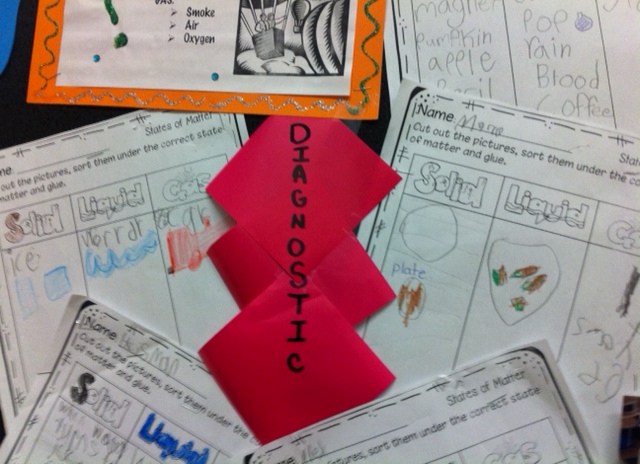
During one of my final practicum visits, I (Cathy) was excited to see one of my student teachers had created an audit trail.   When I mentioned this to her, she replied, “I thought  it was just a bulletin board.” But it was far more than ‘just a bulletin board’.   The student work Melissa had beautifully displayed represented an entire science unit of learning from pre-diagnosis to final summaries.

Audit trails were popularized by Dr. Vivian Vasquez, in her ground breaking critical literacy work with 3-5 year olds.  Vasquez says,                                                                                                             An audit trail or learning wall, as my three to five year old students called it, is a public display of artifacts gathered together by a teacher and their students that represents their thinking about different issues and topics.  This strategy is useful for creating spaces for students to re-visit, reread, analyze, and re-imagine various topics or issues. It is also a powerful tool for connecting past projects or areas of study to newer projects or areas of study. Further, it can be used as a tool for building curriculum as it visibly lays out the journey of the group’s thinking and learning over a period of time.

http://hwcdn.libsyn.com/p/c/f/3/cf355fe54466c4e0/Audit_Trail.pdf?c_id=4270455&expiration=1418946485&hwt=2cc91c9a05310c5ca082ae4a61c9c725

more walldiagnostic molecules

Facebook as a Tool for Pedagogical Reflection

I came across an interesting post from a museum educator who uses Facebook as a tool to reflect upon memorable moments of teaching and learning that arise during school tours through the gallery spaces. The only limits David Bowles imposes on the documenting of these moments of reflection is to “try to stick to the facts, and not interpret the child’s ideas…describe the context succinctly, and stick to a few sentences at most.” Check the some of the funny, quirky and insightful moments of pedagogical interaction highlighted in his post: http://educatorinnovator.org/status-update-facebook-as-a-reflection-tool/  The post offered me the opportunity to fondly recall and relive some of my past experiences with museum education.

museumed

Visiting the Rishi Valley School…Part 2

IMG_8033

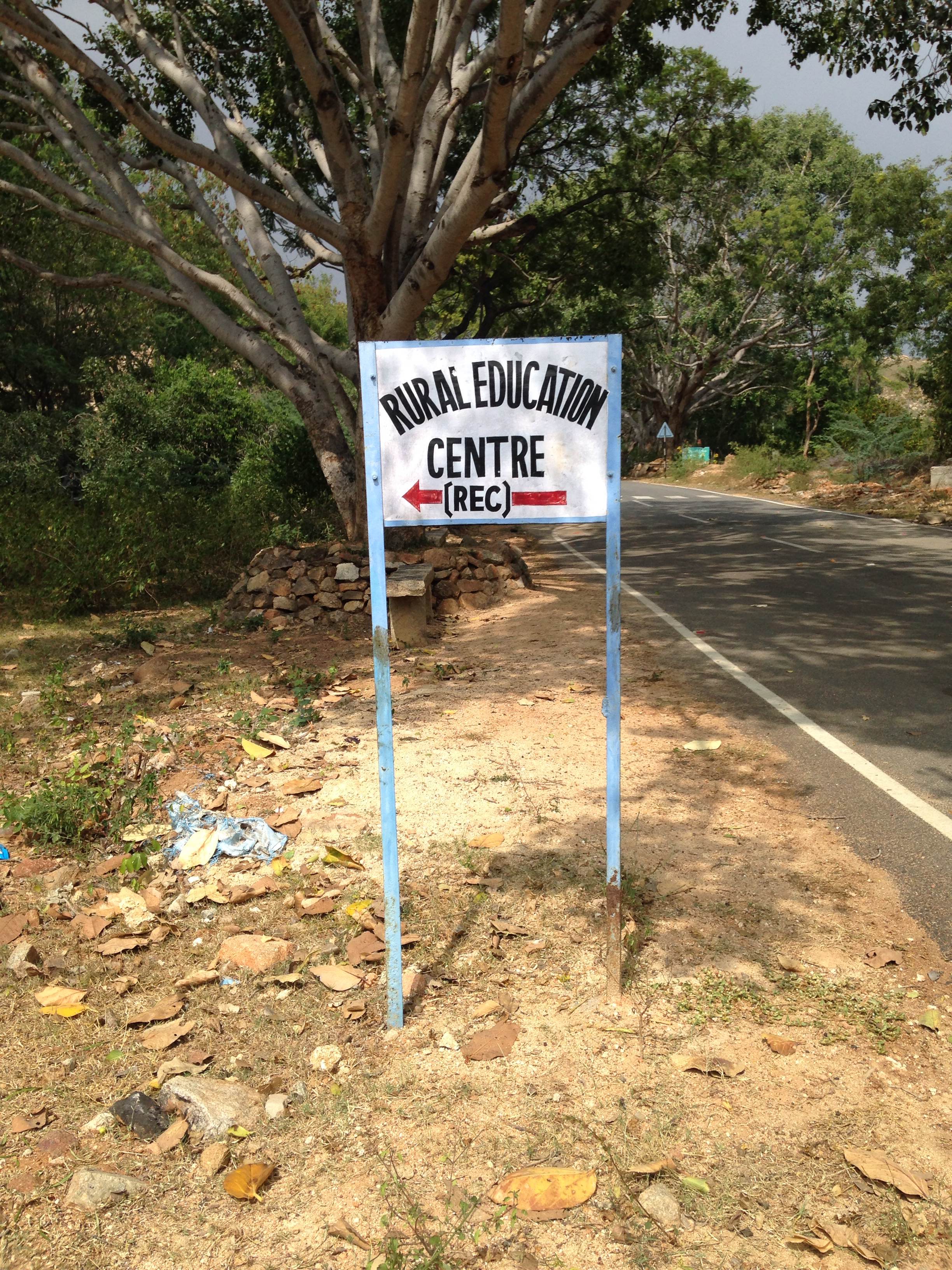
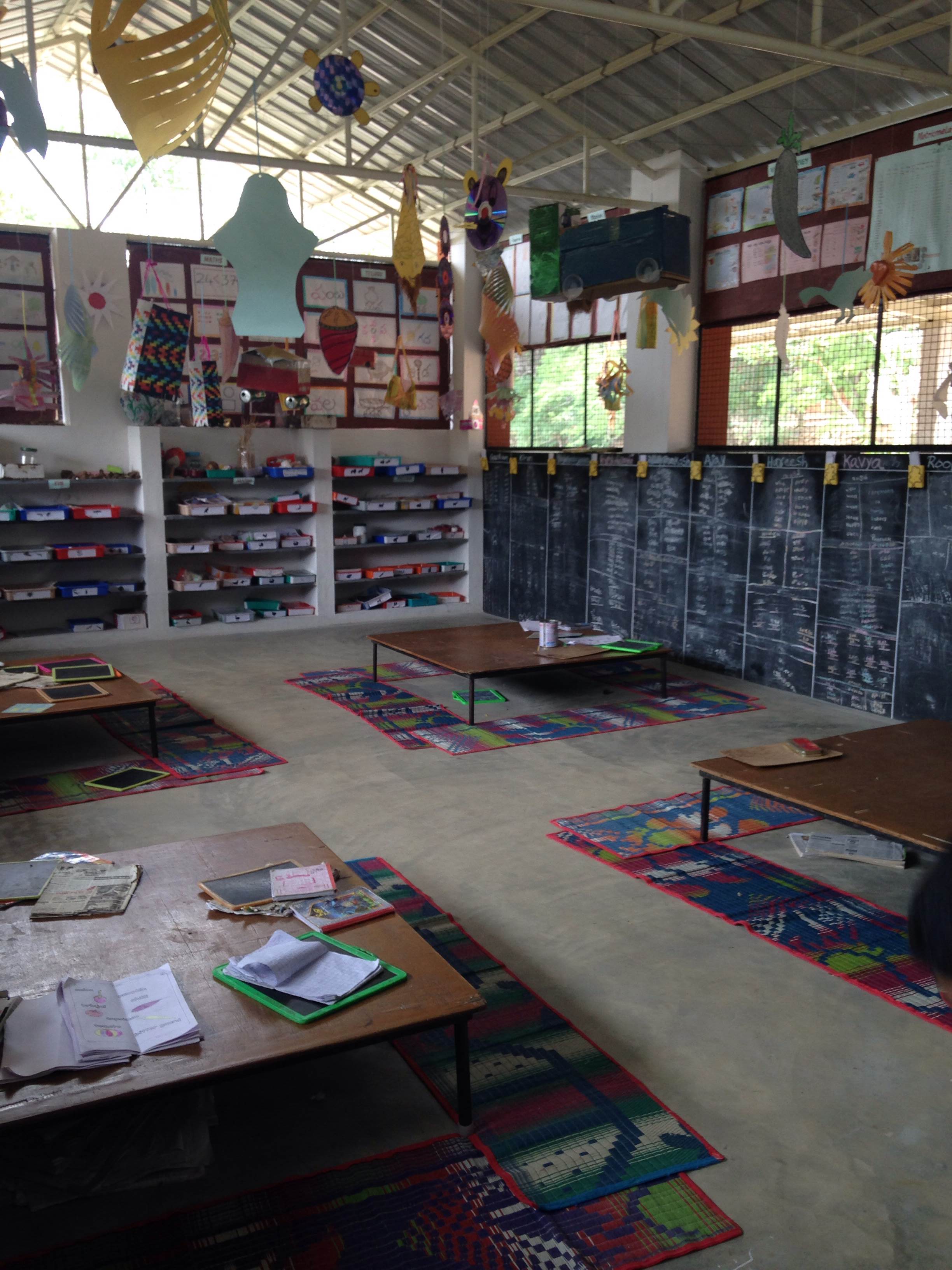
While at the Rishi Valley School I had the opportunity of visiting the Rishi Valley Institute for Education Resources (RIVER), a teacher training and development wing of Rishi Valley Rural Education Centre. The school serves children from the surrounding rural communities, several of which are impoverished. At first glance the RIVER school appears to be like many rural schools in India; one large classroom, one teacher, twenty-five students spanning across 5 grades. However, after spending an afternoon in the classroom it became clear that this classroom was not like the others. First, there are no desks or chairs; rather, there are four large tables with students purposefully seated at them. Second, Kala, the classroom teacher, does not do any stand-up teaching. Instead, she moves from table to table working with small groups of kids or one-on-one with a child with laminated graded cards. Kala is using the multi-grade, multi-level methodology which the Rishi Valley School has spent years developing, and she has spent years perfecting. At the RIVER school a “community-based curriculum is taught…where the academic curriculum is graded for individual levels of learning, grounded in up-to-date information, and framed in the local idiom, and…where the curriculum is integrated with activities.” (http://www.rishivalley.org/rural_education/RIVER.htm)

IMG_8031

The classroom

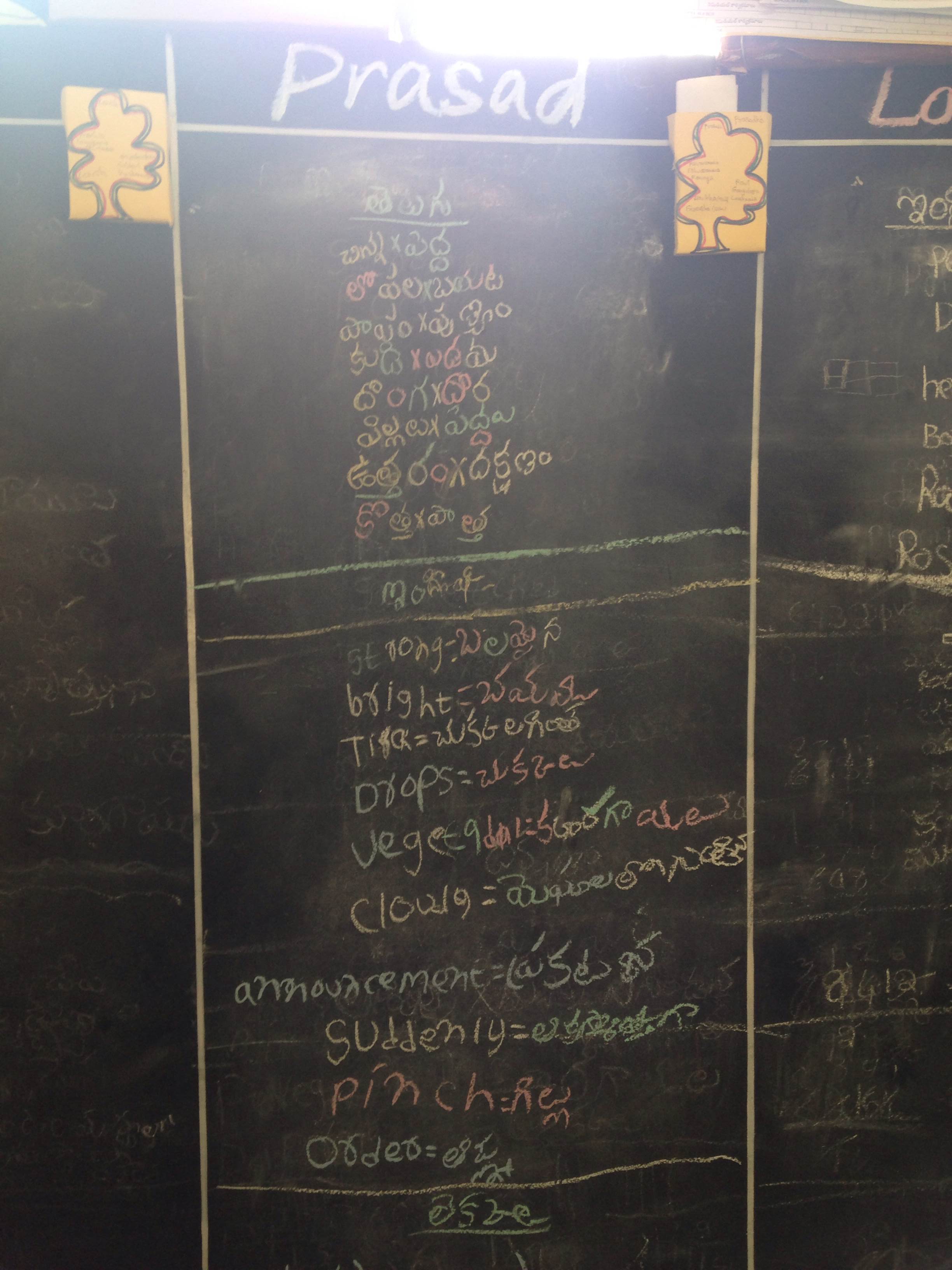
I was most interested in the pride the students took in their graded cards they had completed, as well as their designated space on the wall to record their progress (pictures below). They were all very aware of what level they were at for each of their subject. The graded cards are part of an educational kit the RIVER school has created.

This is how the educational kit works:

The education kit, a series of carefully graded cards, replaces textbooks in the area of language, mathematics and environmental science. Each card in the graded series is marked with a logo (rabbit, elephant, dog) and mapped on to a subject-specific “Learning Ladder”, a progress guide which traces out the learning trajectory for students.

Spaces on the Ladder are sub-divided into a set of milestones. These milestones consist of  cards that explain a concept;  the applications of the concept;  evaluation of students’ understanding and, finally, provide means of testing, remediation or  enrichment. A student identifies her own place on the ladder, and creates, within the broad confines of the milestones,  her own path from grade one to grade five. 

Blank spaces on the ladder allow teachers to introduce independent content into the learning process. Indeed the Ladder can be designed in flexible ways to allow for multiple trajectories between which teachers and students are able to choose so long as the sequencing required by the academic disciplines is maintained.(Source: http://www.rishivalley.org/rural_education/RIVER.htm)

 Although I only spent an afternoon in the classroom, it left a lasting impression on me. The MGML approach seemed to really have been working, and effectively addressing the prevalent issue of mutli-grade classroom across rural India. The MGML approach is being used in rural school across Andhra Pradesh, and has been adopted by many school in the state of Tamil Naidu. The creators are advocating for the approach in several other states in India. Take a look at some photos below!

IMG_8024

Kala (the teacher) working with the students. 

Screen Shot 2015-01-12 at 8.30.28 PM

Students working on Math problems at their own individual levels. 


IMG_8025
The Milestones Chart

IMG_8020

Student progress for the week. 

10 Steps for Avoiding Teacher Burnout

As many of us start a new semester I (Clare) found this article on ways to avoid teacher burnout very interesting and relevant. Although written for teachers, I found a lot of the advice relevant for me as a teacher educator. I particularly liked point # 2  – remember to keep up your fitness level! The article by Ben Johnson is from the excellent website edutopia . Here is the link for the article: http://www.edutopia.org/blog/ten-tips-to-avoid-teacher-burnout-ben-johnson

“Why did I want to be a teacher?” We all face burnout, sometimes on a daily basis, and in my case, especially after fourth period. Most of the time, we can pick ourselves up, brush ourselves off, and go back to the drawing board to try another strategy to find success with student learning. I have to admit that it is getting more and more difficult to make that transition back to a willingness to try again. I can’t help to think students are more difficult than they used to be a few years ago, and pressures from accountability are becoming more oppressive. And of course, the pay for teachers is inadequate. With all of this we may ask, is it worth it?

Rather than provide a list of things to avoid, I would like to take a more proactive stance by sharing things that will help diminish burnout feelings and help you answer, yep, it is worth it.

Step #1) Have Fun Daily with Your Students

Share jokes, brief stories, puzzles, brain teasers, etc. This keeps it interesting for you and for your students. It only takes a minute and they are easy to align to the topic of the day.

Step #2) Take Care of Your Health

The physical status of your body affects your emotional responses, so never feel guilty about taking care of yourself. Skipping lunch or breakfast are bad ideas. Make sure you get enough sleep each day. Take a rejuvenating micro-nap when you get home. Get some better shoes to put a spring in your step. I used to think that I was an active teacher and did not need exercise, but I realized that I need cardio-vascular and upper body exercise, too. Thirty minutes on a treadmill, two days a week will do wonders. Simple pushups strengthen your abdomen, back, and arms. You will be surprised at how much it helps you not be worn out at the end of the day.

Step #3) Learn Something New and Share It with Your Students

Read an interesting book — education or non-education related. I have been reading, The Smartest Kids in the World and How They Got that Way from Amanda Ripley. It is interesting and education related, so I don’t feel guilty about taking time away from lesson planning and grading. Read a classic that you have always wanted to read but never got around to reading. Watch a TED Talk or go to Iuniversity and find something interesting about brain research (that’s what I like to explore anyway).

Step #4) Help Another Teacher

Share your motivating experiences locally or online. Edutopia is always here for that. If you take the time to respond to a blog, you may be surprised at the response. Start your own uplifting blog to help beginning teachers or nearly burned out ones. Be active in your professional organization by volunteering to teach, facilitate, or prepare workshops. Mentor another teacher, either formally or informally. We can all use as much help as we can get.

Step #5) Make Someone’s Day

Call a parent and tell them how good their student is. Find a student that is struggling and sincerely complement him or her on something they are doing well. Show gratitude for an administrator, or fellow teacher by sending them an appreciative note, giving them a hug, or presenting to them a small gift.

Step #6) Lighten Up

Smile (it’s after Christmas and it’s ok). Try looking in the mirror, putting on a smile and then try not smiling for real. It is nearly impossible. So try smiling when you do not feel like smiling. When you greet your students at the door, smile at them and a miracle happens: They will smile back.

Step #7) Be a Scientist

Experiment with new strategies and become an expert in them. Ask your students to help. Do a control group and an experimental group. Document your results and share them at a faculty meeting or a conference. Celebrate success.

Step #8) Look for the Positive

Be a voice for positive thinking, even in the staff lounge. It won’t change the situations, but you will feel better and others might be uplifted too. While teaching is hard, it is not all bad. Half empty glasses are not nearly as exciting as half full ones.

Step #9) Redecorate

Switch out the bulletin boards, move the desks, and adjust the lighting. Add your favorite smells or be adventurous with new ones. I found interesting ones: rhubarb, teak wood, and Hawaiian breeze (usually spray, or solid.) Check with your schools policy about bringing plug-in oil or scented wax warmers.

Step #10) Trust Students More

Let the students know that you will be trusting them more and give them opportunities to earn your trust. Try some project-based learning. Develop strong rubrics, share them with students, and then let them learn as you facilitate and coach.

Turning Things Around

It seems it is easier to fall into the trap of pessimism and negativity because of all the (okay, I will say it) “garbage” teachers have to endure, but that does not have to be our choice. We can choose our attitude, and choosing to do proactive things like those I listed above will go a long way in helping us keep our sanity and avoiding burnout. What helps you keep plugging away? Please share in the comments section below.

 

Encouraging Inquiry at an Early Age

I (Cathy) was inspired by the posting below of a young girl’s science experiment.  It actually made  make me rethink purchasing organic foods.  From an educator’s point of view,  it also demonstrated how significant inquiry, experimentation and science literacies are, and the impact they can have, especially when conducted at an early age.  While watching the video, I wondered if the process of doing this experiment will influence this young girl’s future educational leanings.  I had the pleasure of visiting my own daughter recently and was awed as I watched her conduct experiments with bacteria in her lab.  She became a biomedical researcher and is published in medical journals all over the world.  Science is her life now, and it all started with simple biology experiments in high school.

Sarah


Who knows what we inspire in children by encouraging them to build inquiries and conduct purposeful experiments.  The young girl in the following video may well be in the same position as my daughter some day.

http://www.spiritscienceandmetaphysics.com/this-little-girls-experiment-will-change-the-way-you-think-about-food/


Visiting the Rishi Valley School… Part 1

I (Pooja) have just returned from an extraordinary two days at the Rishi Valley School in India.There is simply too much for one blog post, so I will share my experiences over a few blog posts. In this blog, I will focus on the principles which guide the school along with a photos of the campus.

The alternative school is guided by principles of holistic education which aim for the growth of student’s intellectual, emotional, physical, artistic, creative, and spiritual potential. The educational philosophies of the Rishi Valley School include:

  • To educate students so that they are able to explore both the world and their inner being
  • To inculcate a love for nature and respect for all forms of life
  • To create an atmosphere of affection, order and freedom without either fear or license
  • Not to condition the students in any particular belief, either religious, political or social, so that their minds may remain free to ask fundamental questions, enquire and learn. (http://www.rishivalley.org/school/aims.htm)

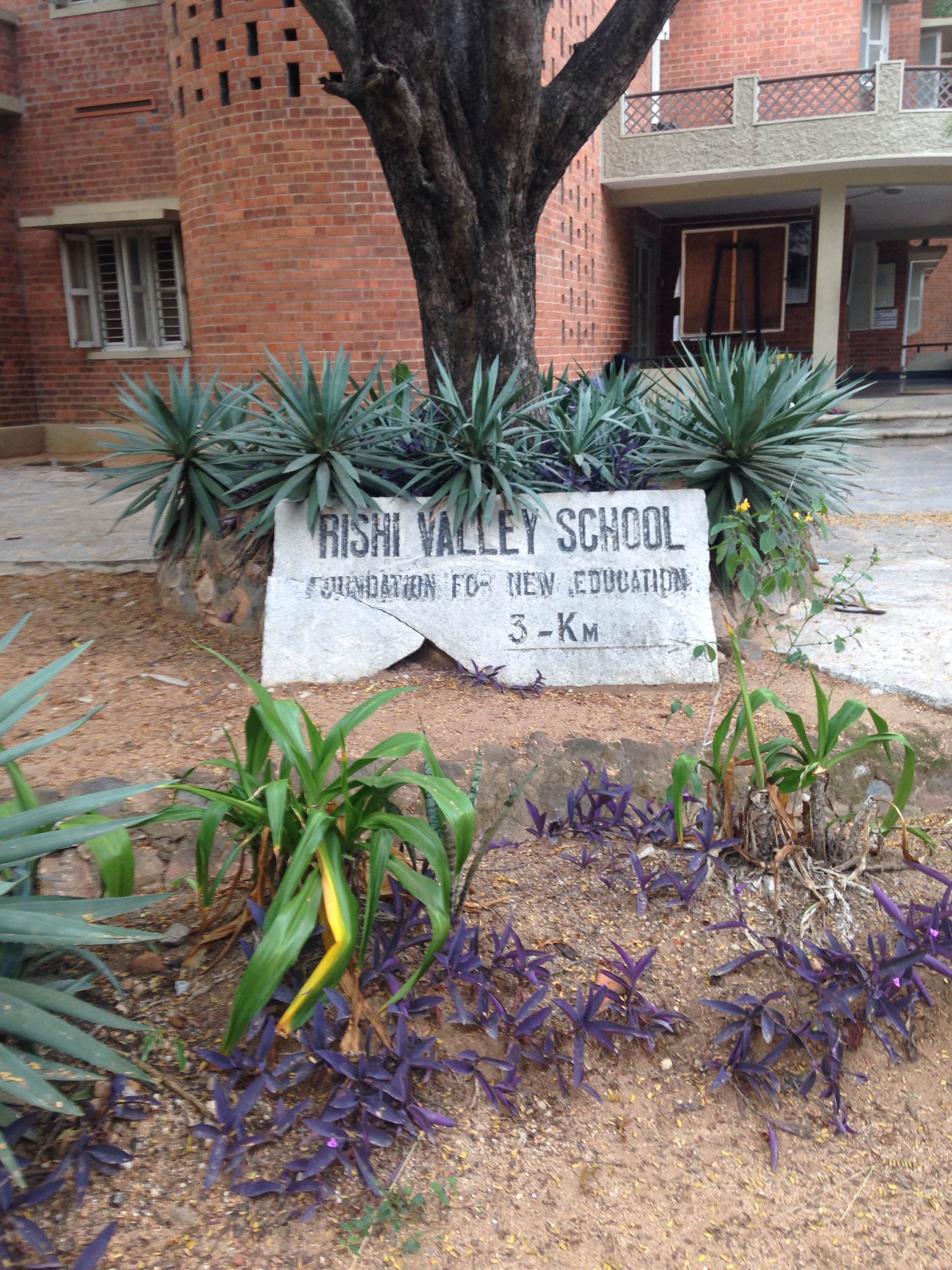
The philosopher Jiddu Krishnamurti established the Rishi Valley School in 1962. There are now Krishnamuti schools across India and the world, but this was the first educational site. The school is located “in a sheltered valley in the interior of rural Andhra Pradesh…about 140 km north-east of Bangalore.” (http://www.rishivalley.org/school/aims.htm) When we first arrived we met with the school principal. He listened to us attentively, and when he spoke it was softly and always with purpose. He said something in that meeting that has stuck with me. He said that although the teachers differed in teaching approach, the important quality was that they approached their teaching from a place of care and love. By walking around the campus, speaking with teachers and students, and observing classes I witnessed this in so many ways. For example, each morning the students gather in an open-air auditorium for an assembly. My experiences with assemblies have usually included announcements, performances, or guest speakers. At the Rishi Valley school, the assembly is dedicated to singing. The students and faculty gather in a circle and sing for half an hour. At the end of the school day, after dinner, we gathered in the auditorium again to watch an absorbing documentary on particle physics called Particle Fever.

The following are a few photos of the campus and school activities. I believe they speak volumes about the principles from which the Rishi Valley School runs.

IMG_8011

The Rishi Valley School is a boarding school serving student from grade 4-12. There are approximately 325 students and 60 faculty members who live on campus.

IMG_8017

The morning all-school assembly. Students and faculty are seated on the ground.

IMG_8056

One of the many outdoor classrooms. My friend, a spoken-word artist, had the opportunity to facilitate a class here (More about that in the next blog!).

IMG_8009

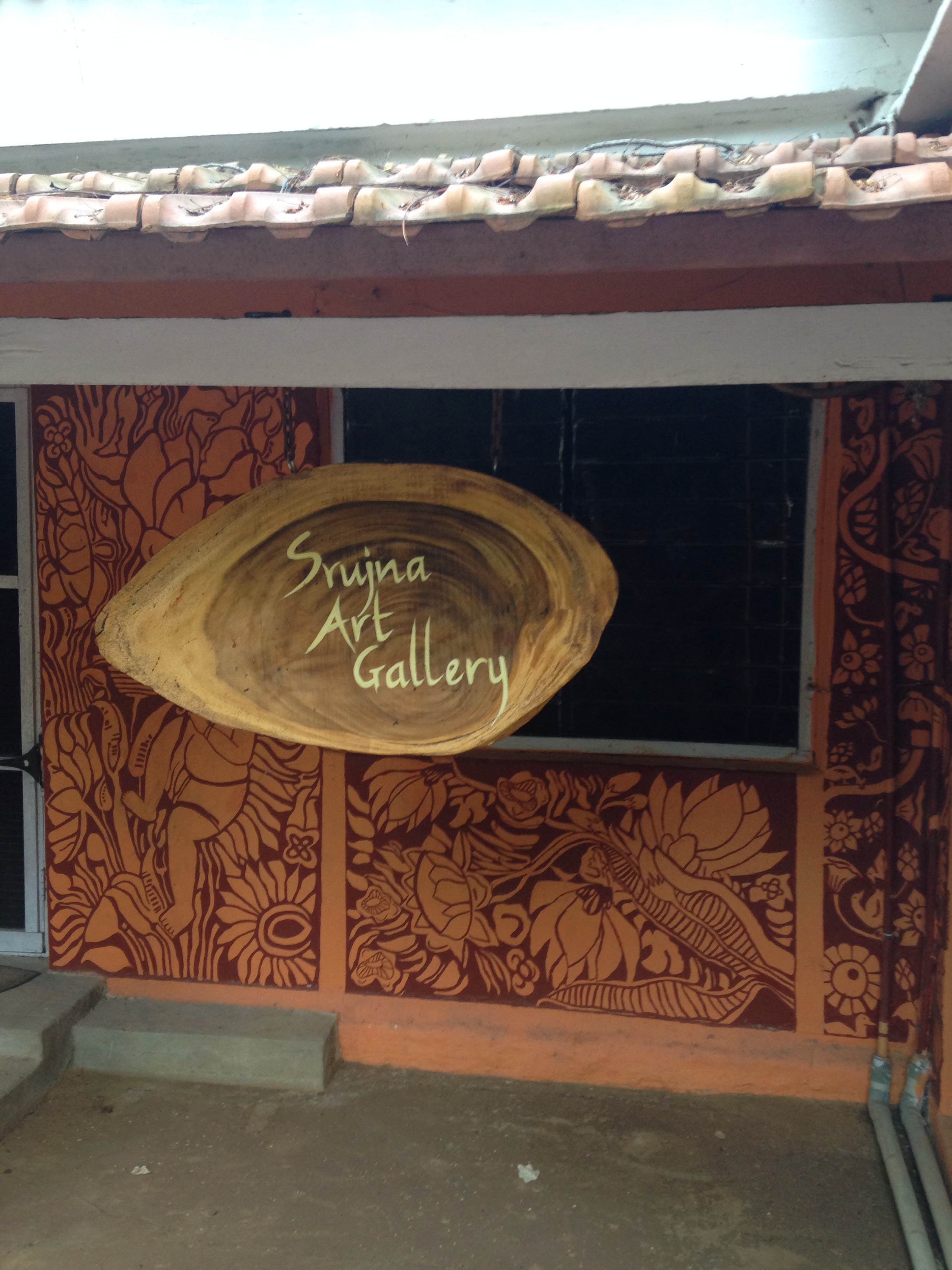
The student art gallery. It was common to see students around the campus working on their art; fine art, poetry, and music permeated the student culture.

IMG_8013

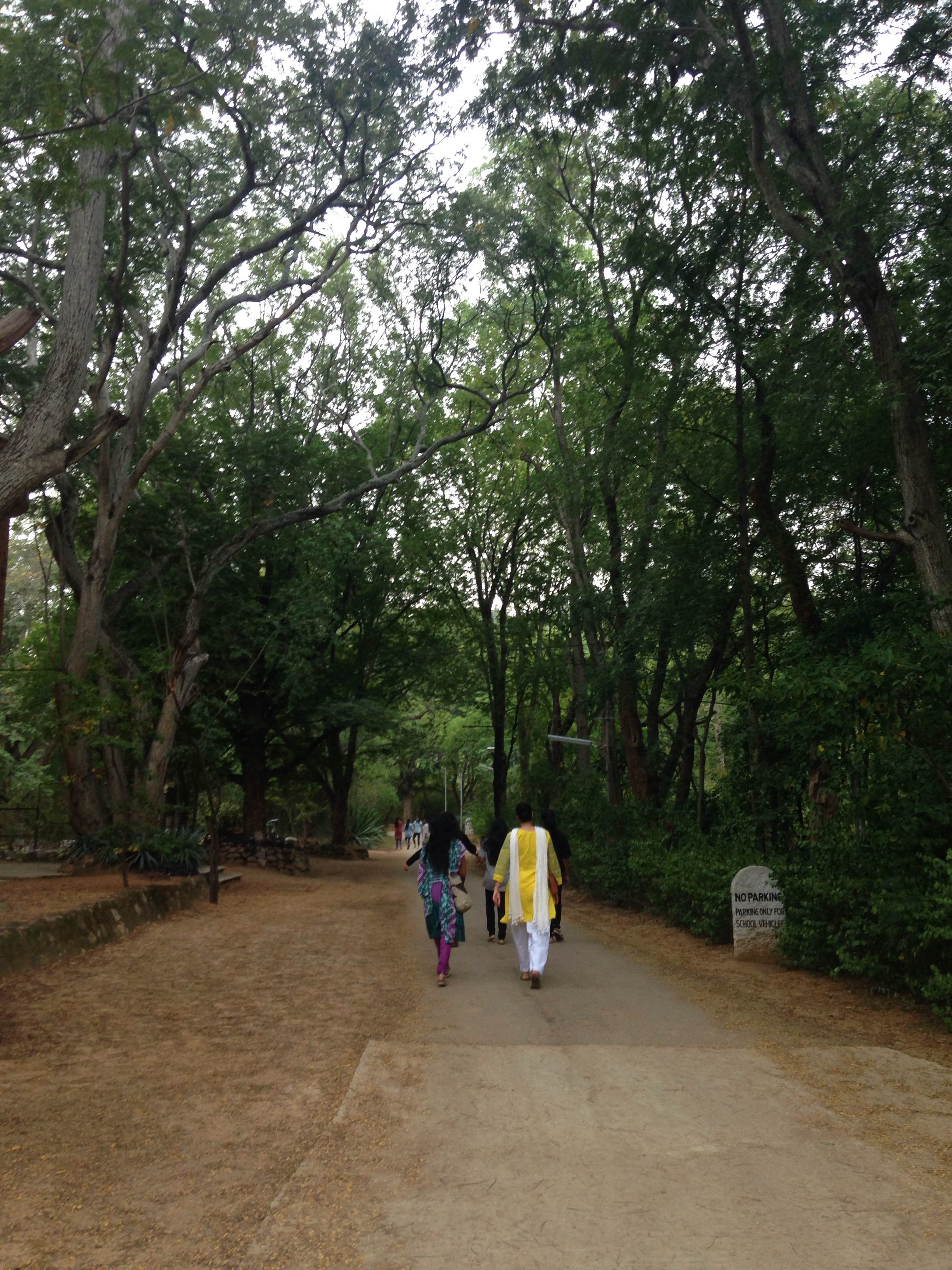
Walking to class is a meditative experience. The campus is spacious, situated on approximately 360 acres of land. There have been over 200 species of birds identified, with the Indian Government officially declaring the school a bird sanctuary.

To read more about the Rishi Valley School: http://www.rishivalley.org/default.html