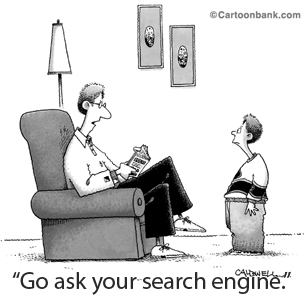
What happened to “go ask you mother?”
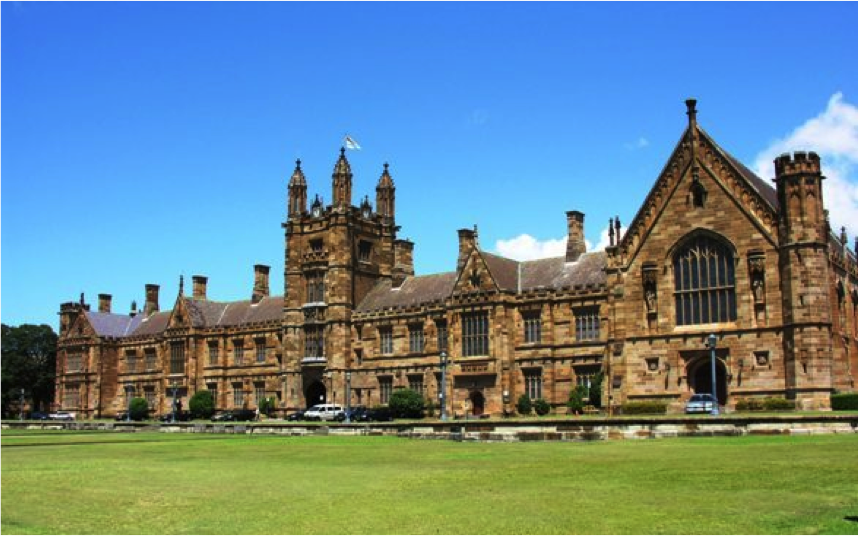 Clive and I (Clare) are doing a presentation at the University of Sydney on reforms to teacher education. Along with Lin Goodwin we wrote a chapter for the upcoming Handbook on Teacher Education edited by Loughran & Hamilton (to be published by Springer). We surveyed the literature on teacher education from many countries and identified the following trends:
We did mini case studies of England, Canada, U.S., and Singapore – England where they seem to be dismantling university-based teacher education to Singapore where the government, universities, and schools work collaboratively. This research was so enlightening because we looked an many countries beyond the usual big “players” like Finland, the Netherlands …. . We included information on less reported countries like Trinidad and Tobago, Chile, Scotland, and Norway. Will keep you posted on the publication of the handbook.
This summer Toronto is hosting the Pan Am Games. I took a break from my studies yesterday to support the incredible athletes competing in the rowing events. It was amazing to cheer on the Canadian women’s single sculls, the women’s lightweight double sculls, and the men’s quadruple sculls as they each won GOLD medals. Well Done!!

An interesting article I (yiola) found on classroom /behaviour management.
I believe that until you experience teaching it is hard to fully understand what it means to build a safe, secure learning environment that builds intrinsic motivation and confidence in children.
I believe, in teacher education, we teach all that the article describes, yet students do not always see this out in the field. There are many reasons for this theory/bridge gap. Regardless of the gap, it is important that in teacher education we continue to prepare our teacher with best practice and provide them with both the “how” and the “why” of it.
What I love is that we do not even call it “classroom management” at all… at the lab school it is only about building a learning environment that focuses on engagement, safety and securing of the individual. The idea of “managing” children is counter productive to the philosophy of building creative, innovative, independent and confident children.
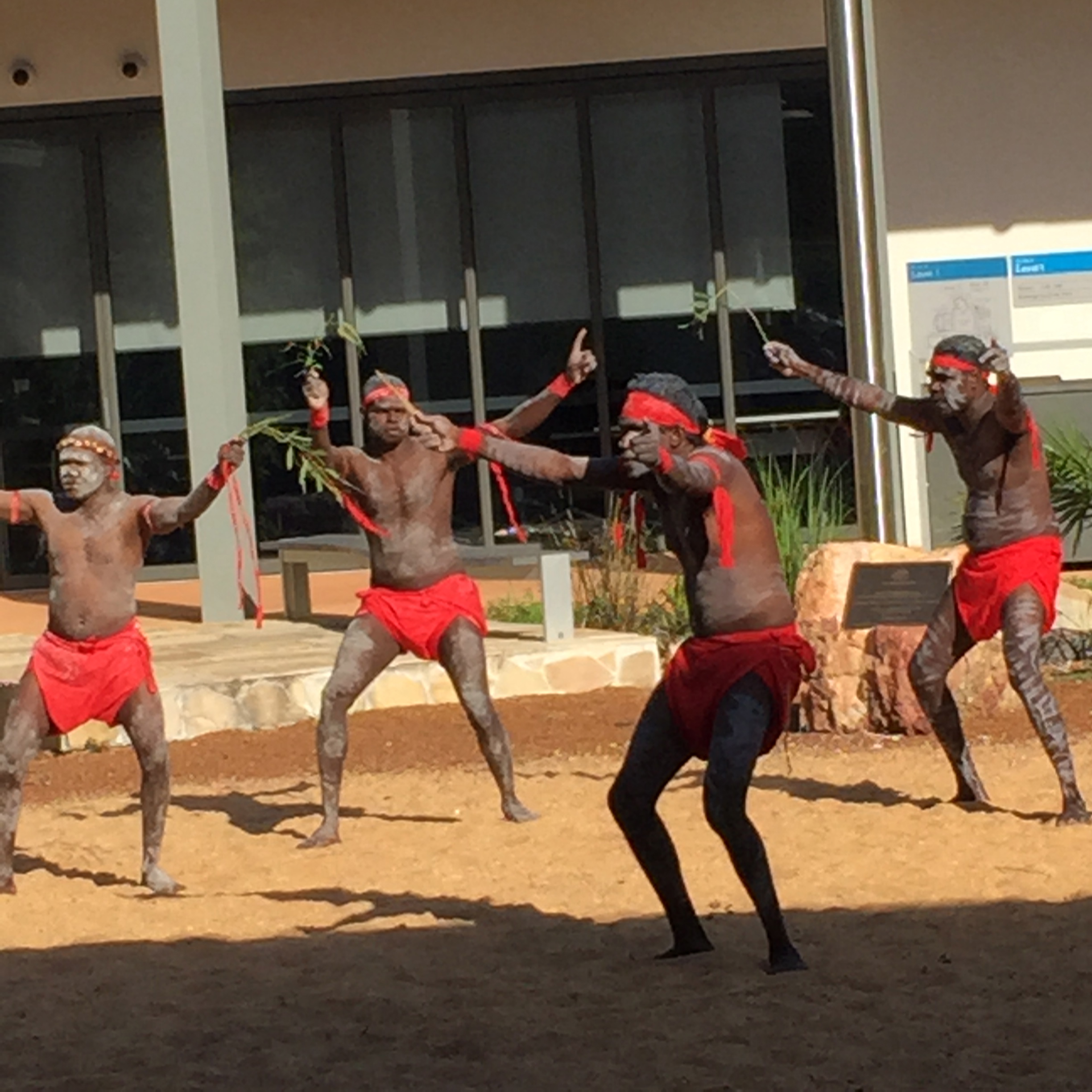 We (Clare and Clive) are at ATEA in lovely Darwin. The conference has been so interesting because we are learning much about teacher education in Australia. There is a heavy emphasis on Indigenous education.
The conference started with a welcome dance by One Mob Different Country. The dancers were 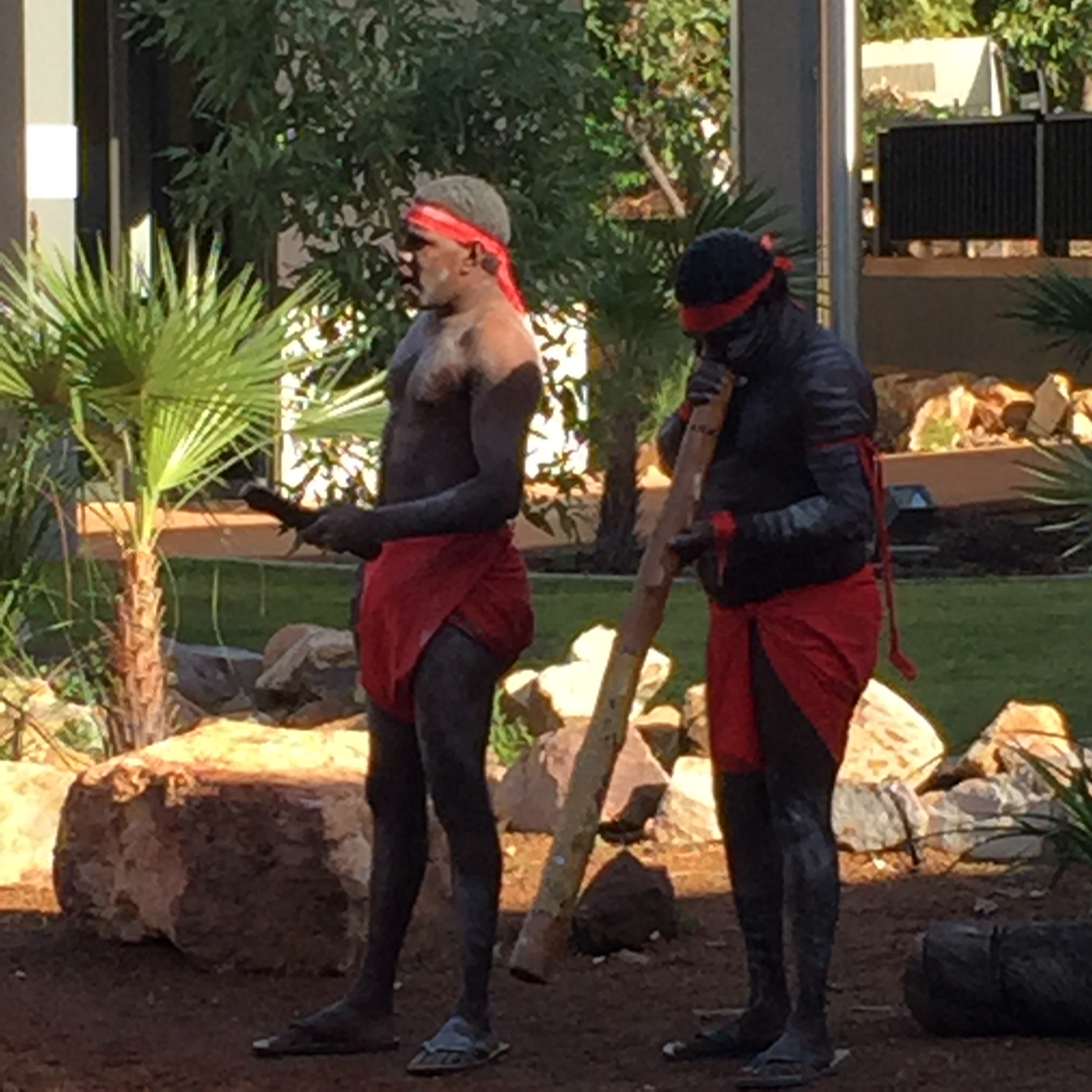 incredibly talented and set the stage for a wonderful conference.
One Mob Different Country is a program that operates out of the Berrimah Correctional Centre. The program allows low-security Indigenous prisoners to take part in performing traditional Aboriginal dances at events. The dancers have been given permission from the Elders of the Beswick and Burunga communities to perform certain dances and songs from that region. The name One Mob Different Country refers to the fact that the dancer themselves may come fom different communities (different country) but they come together as a group to dance (as one mob).
My (Cathy’s) research focus is on multiliteracies. Understanding the history and conceptual development of multiliteracies demanded I grasp a basic understanding of semiotics, or semiology. Semiotics is a branch of linguistics that studies signs, symbols, and signification. However, it is the study of how meaning is created, not what it is.
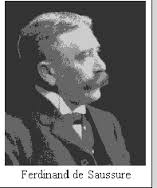
Ferdinand de Saussure is generally credited as the father of semiotics. His book Course in General Linguistics, was published posthumously by his former students Bally and Sechehaye. It was through this work that Saussure’s Semiology Theory was made public. His theory was based on the study of signs; a sign being anything that represented something else. Saussure proposed that communication is a system of signs that convey meaning, but limited his work to the use of words, spoken and written. Sassure’s most recognized semiotic terms are signifier, signified, sign and symbolic. (Glossary at bottom of page)
To test our knowledge of these terms, I share the following three graphics. Does their signifier representation signify anything symbolic to you?
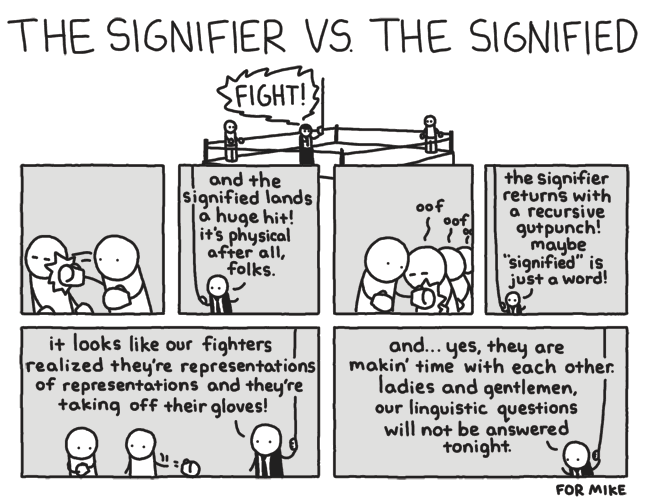
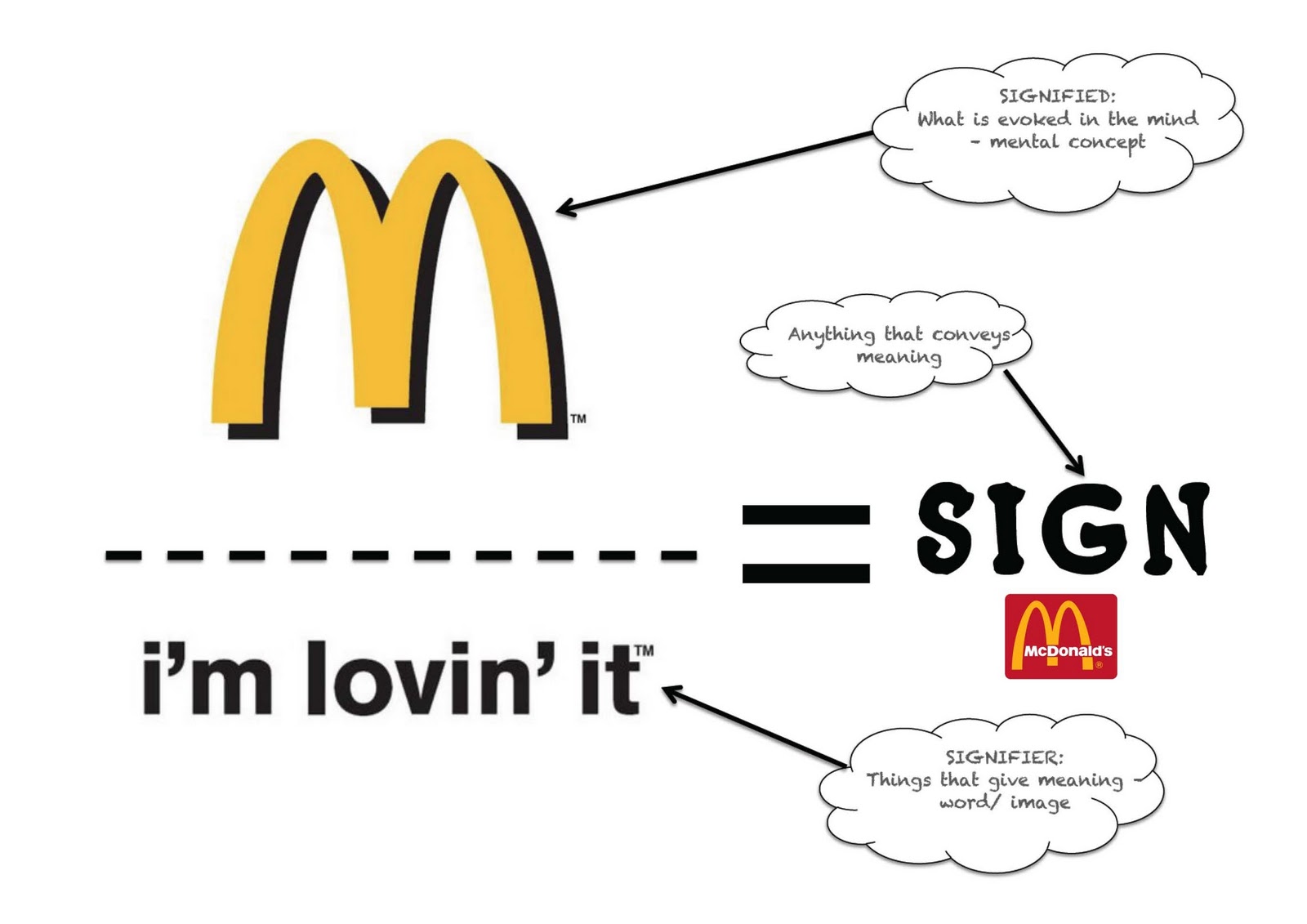

Signifier: any material thing that signifies, e.g., words on a page, a facial expression, an image.
Signified: the concept that a signifier refers to.
Together, the signifier and signified make up the:
Sign: the smallest unit of meaning. Anything that can be used to communicate.
Symbolic (arbitrary) signs: signs where the relation between signifier and signified is purely conventional and culturally specific, e.g., most words.
http://www.uvm.edu/~tstreete/semiotics_and_ads/terminology.html
AERA Proposals are due on July 22nd. The conference will be in Washington from April 8th to 12th.
Here is the link to the 2016 meeting. http://www.aera.net/EventsMeetings/AnnualMeeting/tabid/10208/Default.aspx
I’ll admit it, I often include emojis when I text. I can’t help it they are just so cheerful and amusing.  I had not thought, however, about using emojis to teach, until I saw Bill Nye, “the science guy,” use emojis to explain about climate change and super materials. To see his creative videos follow the link below:
http://mashable.com/2015/07/07/bill-nye-super-materials-with-emoji/?utm_cid=mash-com-Tw-main-link
Takaharu Tezuka is the architect behind Fuji Kindergarten, deemed by some as the best Kindergarten in the world. Tezuka followed around his own young children to inform his school design. He designed a school which encourages pupils to move, play, dream, imagine, and grow.
Thu-Hoang Ha, author from Ideas.Ted.Com describe the schools’ most notable features:
“We designed the school as a circle, with a kind of endless circulation. When we started, I had no preconceived notions. Studying other kindergartens was like looking in the rearview mirror of a car: Even if you look very closely, you can’t see anything in front.”
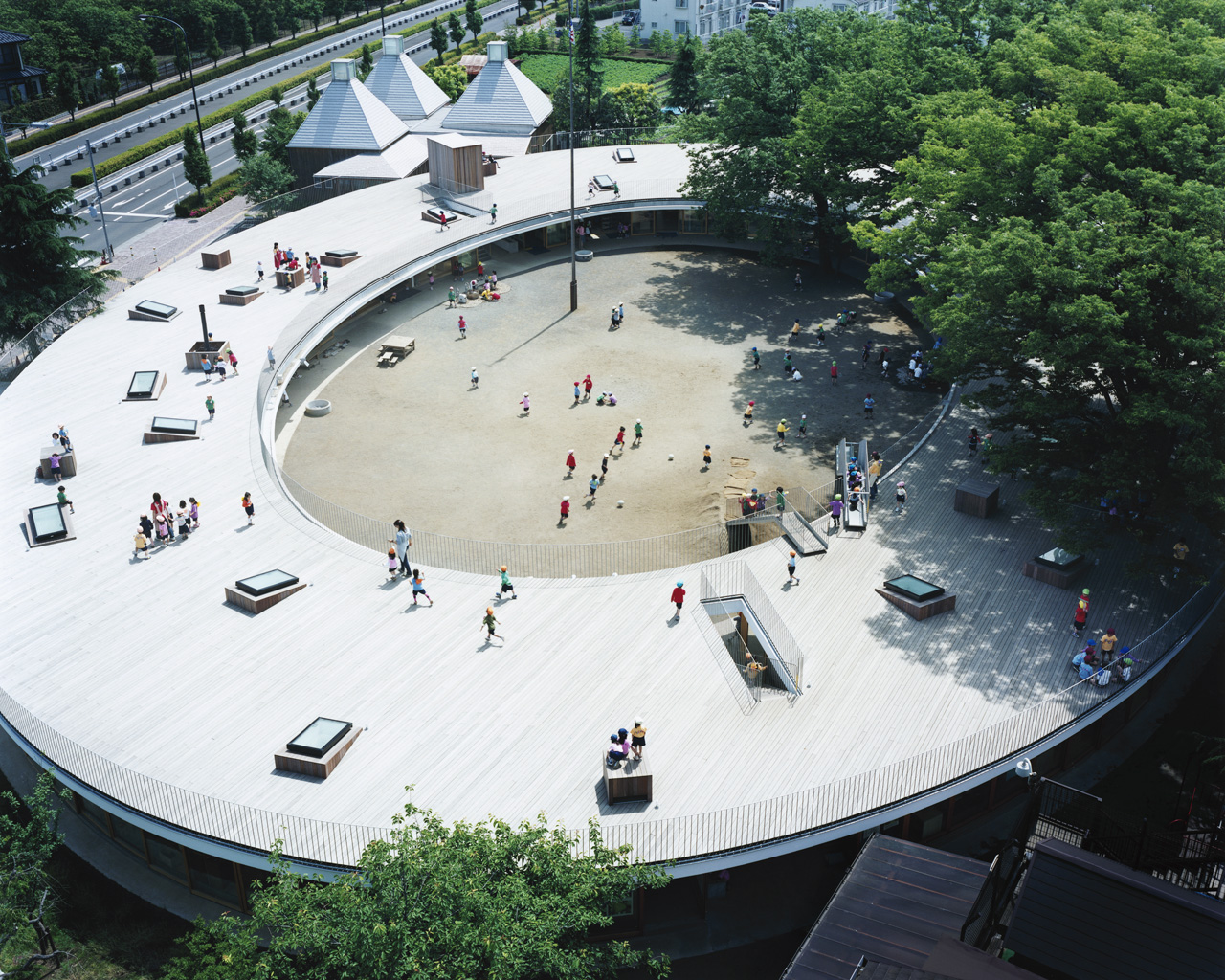
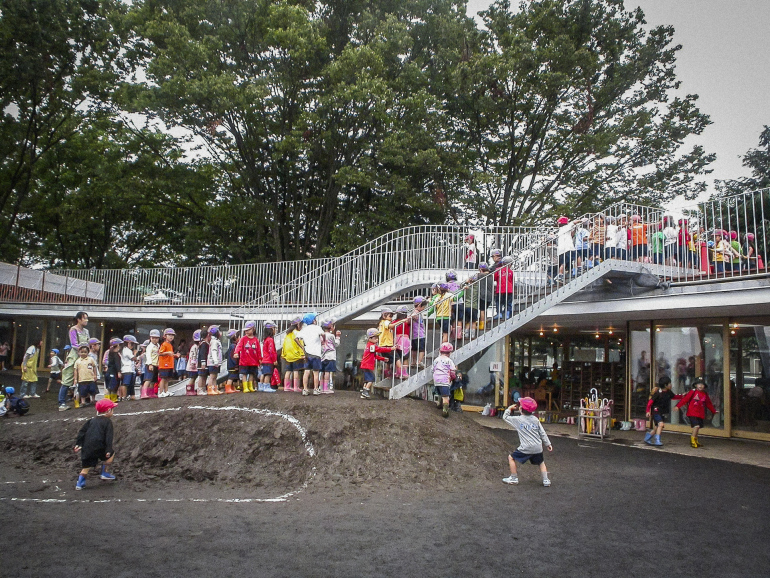
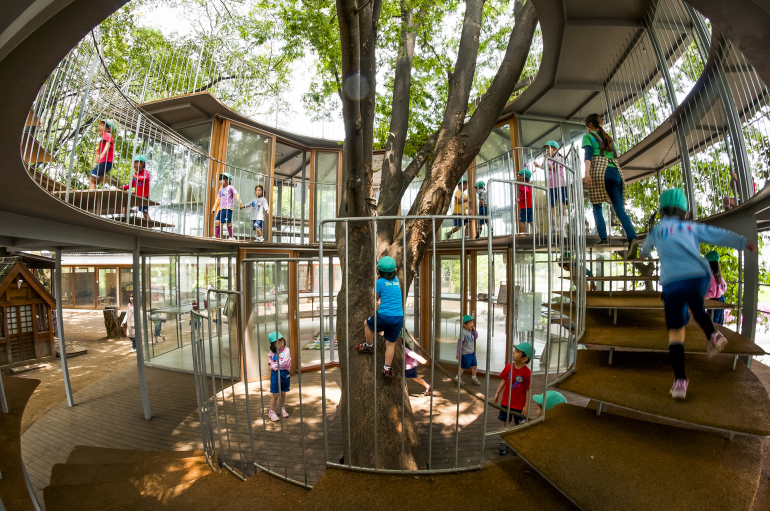
“The kids love to look through the skylights from the roof. ‘Where’s my friend?’ ‘What’s going on underneath in class?’ And when you look down, you always see kids looking up from below. Here, distraction is supposed to happen. There are no walls between classrooms, so noise floats freely from one class to the other, and from outside to inside. We consider noise very important. When you put children in a quiet box, some of them get really nervous.”
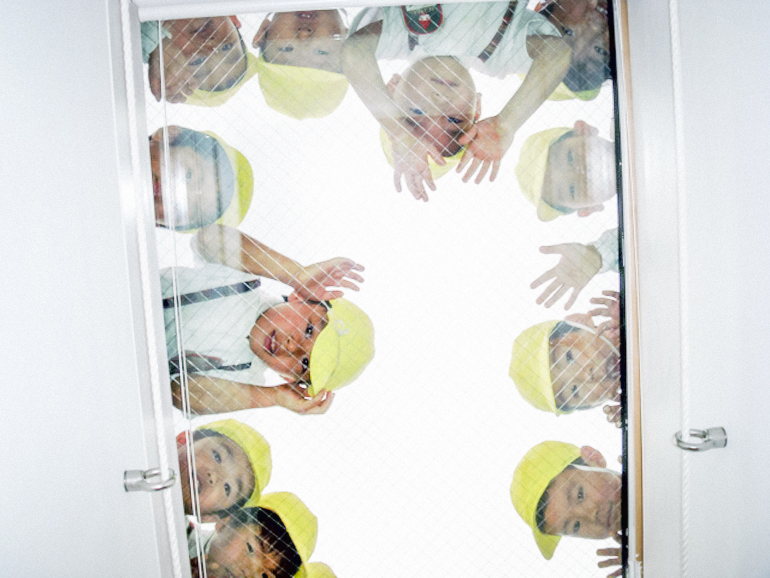
Read more here: http://ideas.ted.com/inside-the-worlds-best-kindergarten/
Watch a video on the Fuji School here: https://www.youtube.com/watch?v=Rd7mR3lb3yg
I (Yiola) cannot help but sing Kool and the Gang’s popular 80s song Celebrate these days. There is just so much to celebrate. A warm and special congratulations to Professor Clare Kosnik for her appointment as Director at the Dr. Eric Jackman Institute of Child Study (JICS).
JICS is a remarkable place. It is a place where exemplary Teacher Education (The Child Study and Education Program) meets exemplary teaching (The University of Toronto Laboratory School) meets world class research and faculty (The Laidlaw Research Centre). This tripartite forms a powerful relationship for developing all that is exceptional in teaching and learning.
Clare Kosnik is a remarkable academic. She brings considerable experience in academic leadership to this important role. She was Director of the Elementary Preservice Program at the Ontario Institute for Studies in Education at the University of Toronto from 2000 to 2003, Head of the Centre for Teacher Development from 2007 to 2009, and Director of the Master of Teaching Program in the Department of Curriculum, Teaching and Learning from 2009 to 2011. Her colleagues, students and online followers know of her international contributions to scholarship on teacher education, action research and teacher inquiry, and literacy education which are made possible through large research funds, including support from the Social Sciences and Humanities Research Council of Canada, the Carnegie Foundation, the Spencer Foundation, to mention just a few. But, so much more than this, Clare Kosnik is a remarkable person. Like past Directors at the Dr. Eric Jackman Institute of Child Study, Clare brings compassion, care, and deep commitment to student learning and teacher development through teacher education and research.
Welcome to the Dr. Eric Jackman Institute of Child Study, Clare. I look forward to working with you!
Everyone around the world, come on! Yahoo! It’s a celebration.
 Literacy Teaching and Teacher Education