Yearly Archives: 2014

Technology in the Classroom

A short video clip that demonstrates how technology is being used in a local high school. Interestingly the purpose for the use of technology is connected with well being and class participation.

I (Yiola) am currently preparing a “technology day” conference that will emphasize and highlight the use of technology is classrooms for our student teachers. I like the examples shared in the clip. I will be sure to share the experiences of technology day that will take place next term.

http://toronto.ctvnews.ca/video?playlistId=1.2072063

They Made Me Eat My Words!

Each fall and spring I (Clive) invite the students – 65 this year – in my teacher education Clive Beckcohort program to an evening potluck at our house. Most of them come, some with their spouses or significant others, and we are deluged with food – especially desserts! It is a great opportunity for them to get to know each other better and for me to finally learn all their names. It also models the type of community building and teacher-student relationship that I think is so important in any school or university class.

We had the fall party a couple of weeks ago just after our fourth class together, which was on practice teaching and the theory-practice relationship generally (sounds dull I know). One thing I had discussed with them was the importance of bringing our theories about life and education down to earth, using practical ideas that we remind ourselves of in the heat of the moment. I told them how one of the teachers in our research project was having difficulty with her class last year, so she wrote “don’t take it personally” in capital letters (DTIP) on her wrist and found it helped.

Two of the students with special IT talents arranged to have a slab cream cake made, decorated with a photo of me in blue along with three of these sayings: another was “you can’t do and be everything.” They brought the cake to the party and put it on display, and we all hoed in when dessert time came. I didn’t mind having to eat my words, they were delicious!

First Class: Tracking wellness

I (Clare) am following this amazing new blog Eureka Research: Exploring Wellness through digital techniques: http://eurekaresearch.wordpress.com/2014/10/22/first-class-tracking-wellness/
This recent post is about the guidance counsellor who is working with secondary school students to track their wellness and well-being using a number of on-line tools. Wow! This is an amazing use of technology and from the photos it seems the students are very much engaged. I look forward to reading updates on the work and study of the on-line tools.

cathkaiser's avatareureka research

I am in the middle of running my five classes on using a website to track moods, goals, tips, etc.  The website is called Facingus.org and what I like about it is that it is hands on and interactive. Students explored for parts of the site:  Journal, Wellness Tracker, Wellness Plan and Wellness Book (Tips).  This took almost the full hour to explore.  Students wrote for 5 minutes in the online journal – some where very engaged and some struggled quite a bit. I did catch a couple of students reading a book on their laps!  I did also have a couple of students asking if they could have more time to write 🙂

For the Wellness Tracker, I had them focus on three aspects – Well-being (track daily), Symptoms (track daily and weekly) and Lifestyle (track daily).  What I liked about this section, is that there were a lot…

View original post 182 more words

Learning to be a Teacher

Today I supervised a group of my  student teachers presenting lessons to small groups of children in preparation for teaching a whole class.  These student teachers  had never worked in inner city schools before.  As a result, a lengthy discussion ensued about the nature of the children at the school and what they needed.  I was both impressed and touched by the depth of caring and desire to improve their skills to reach the children in their classes.  I left the school feeling very reassured and hopeful about the future of education.  quote

All About Me Books: Power of Writing Your Story

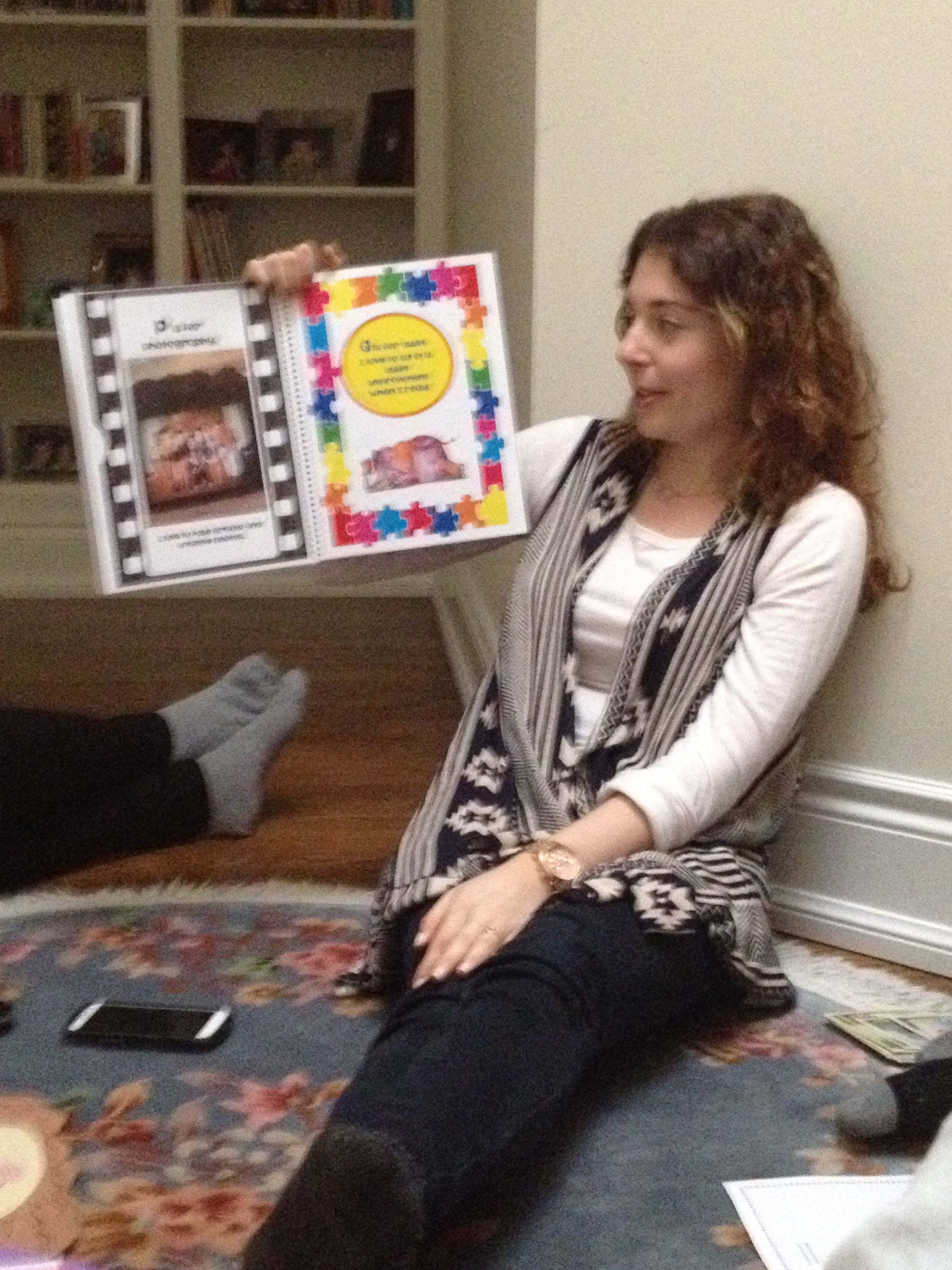
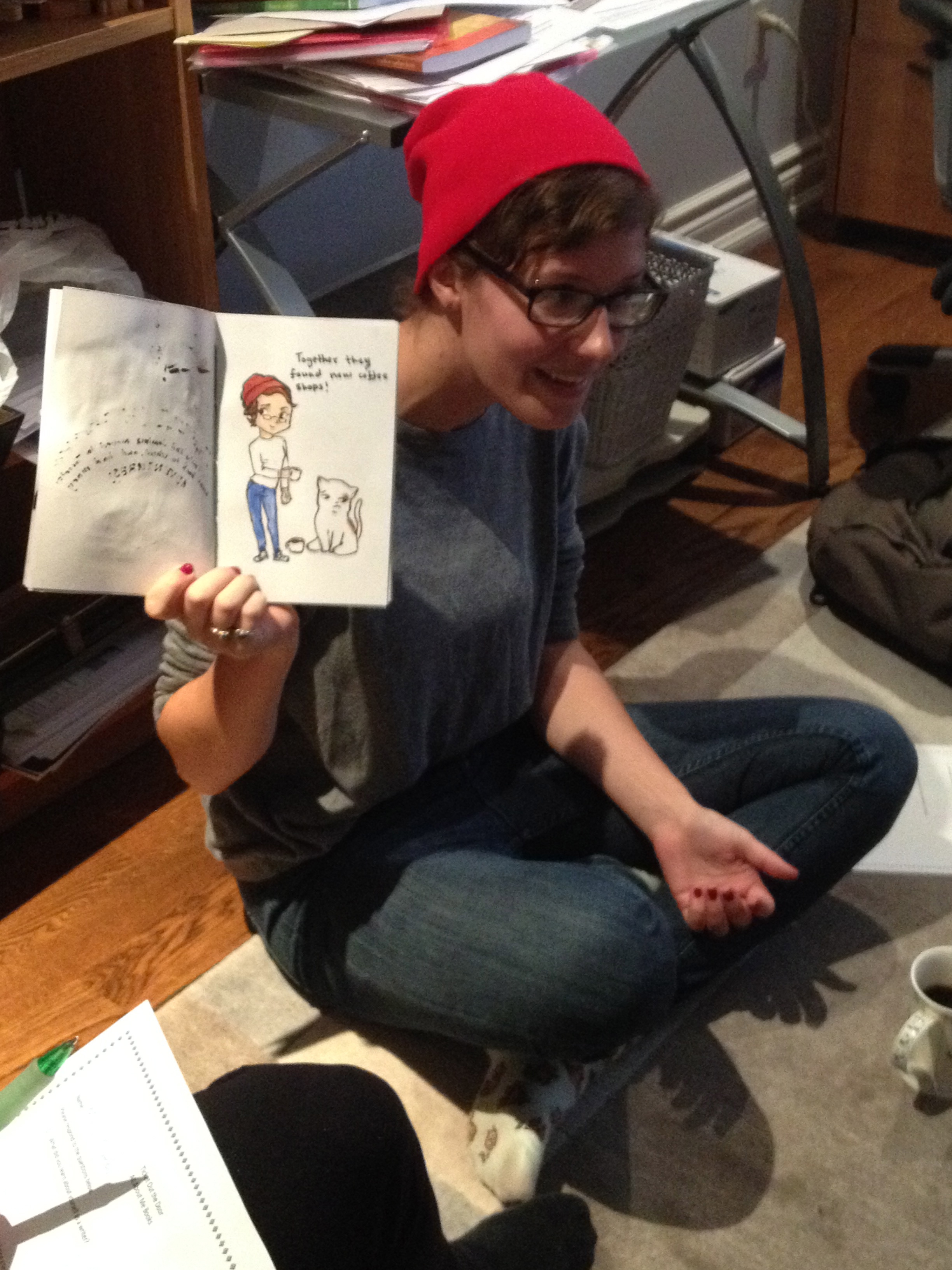
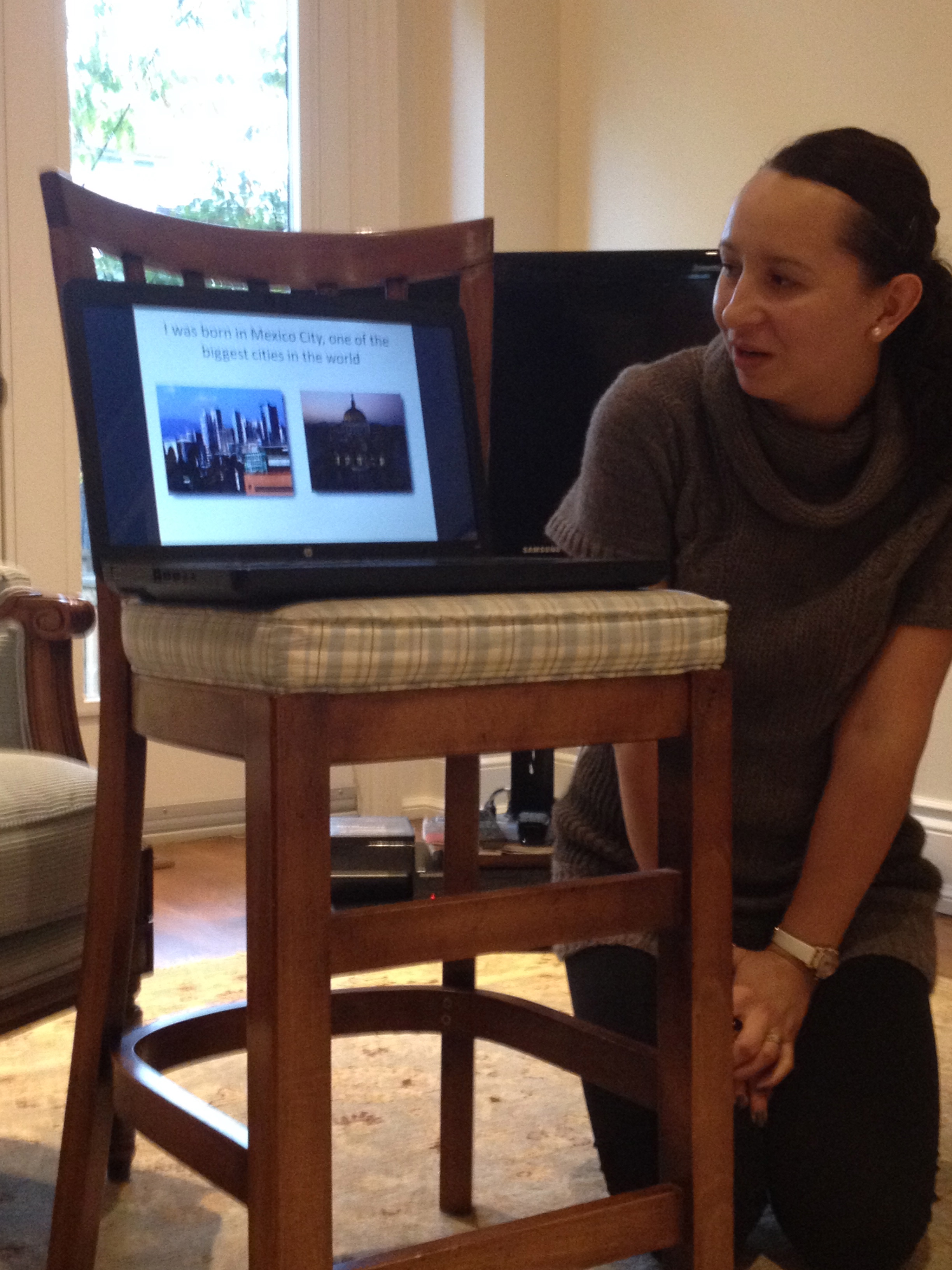
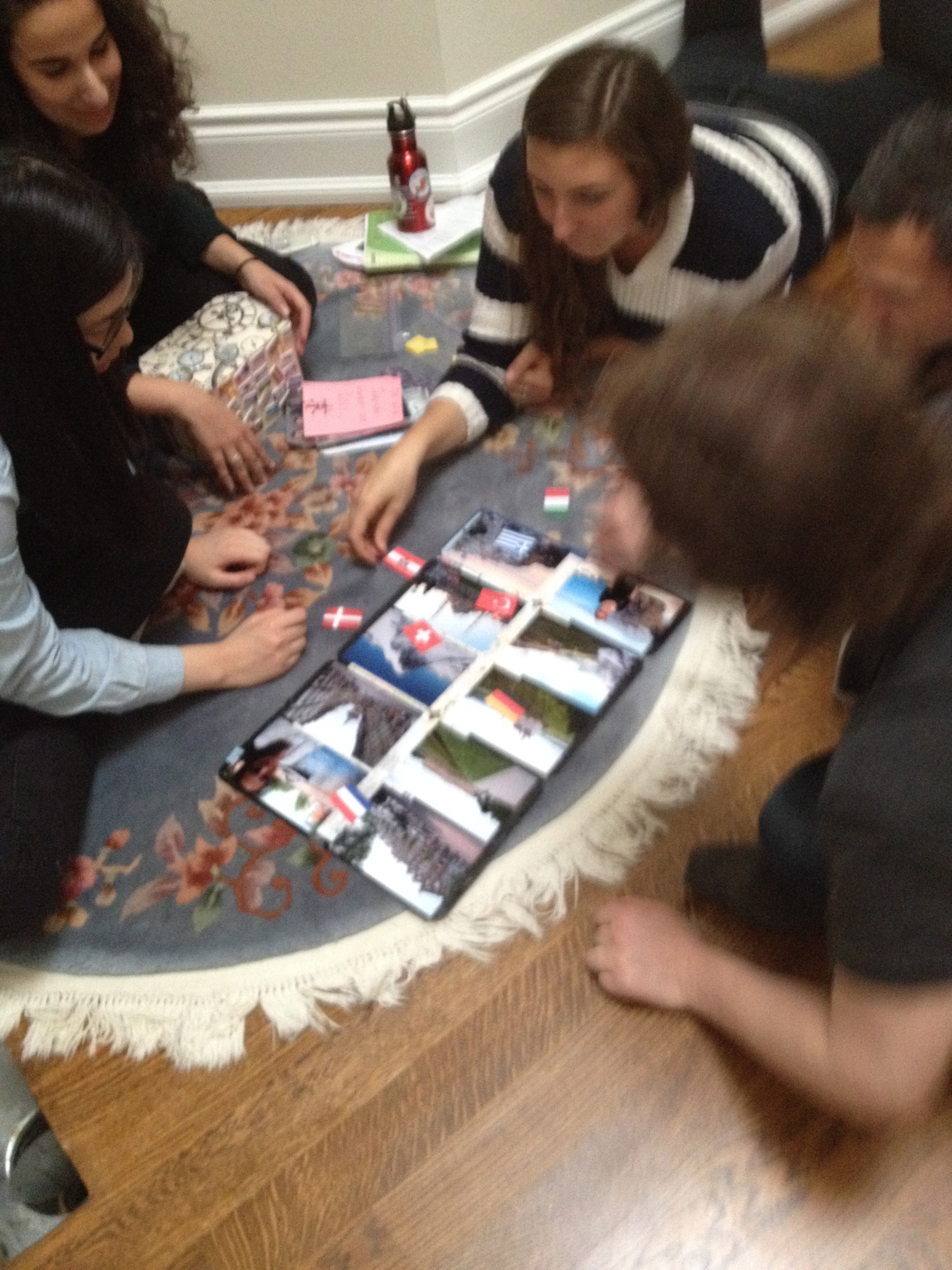
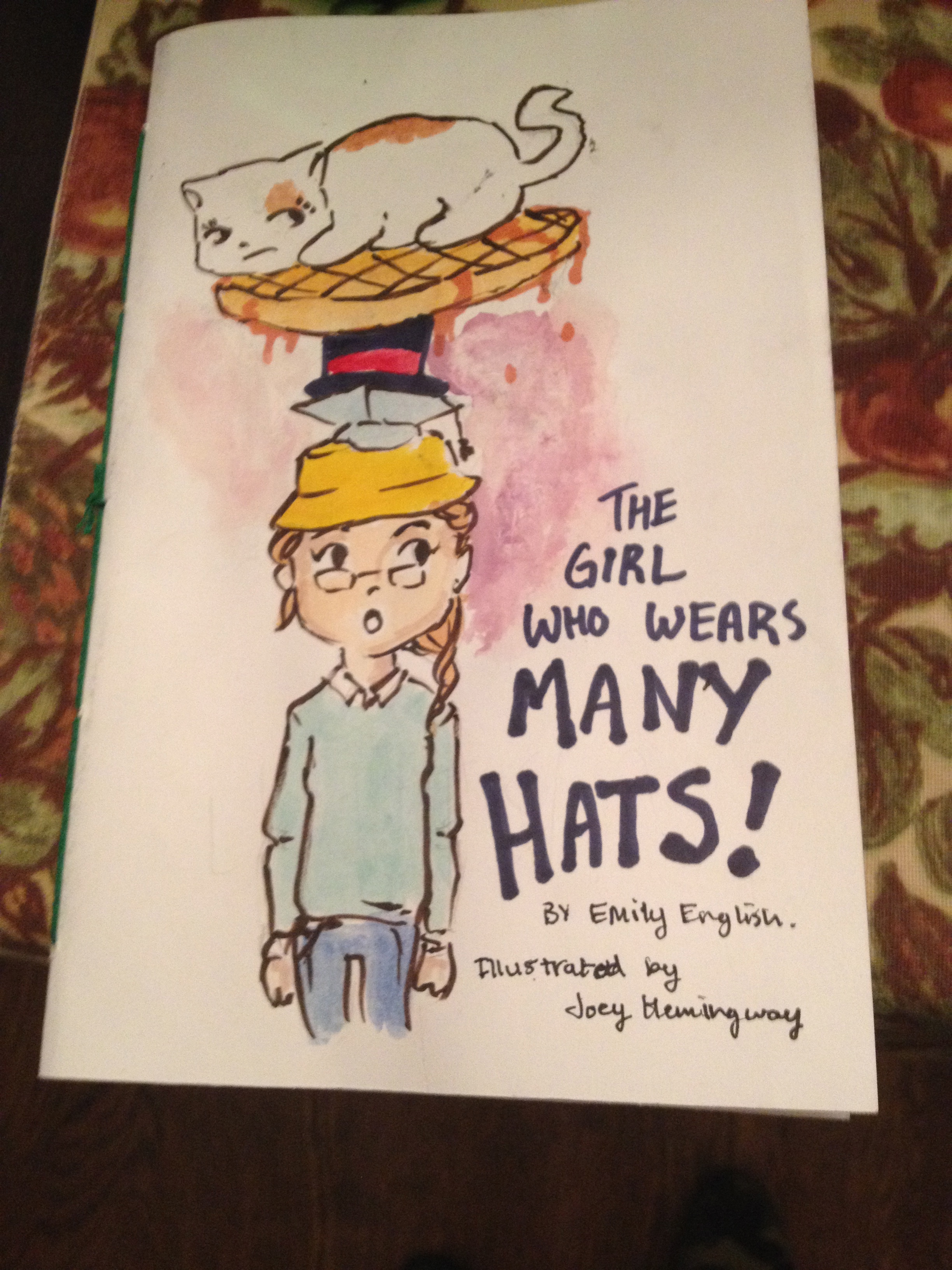
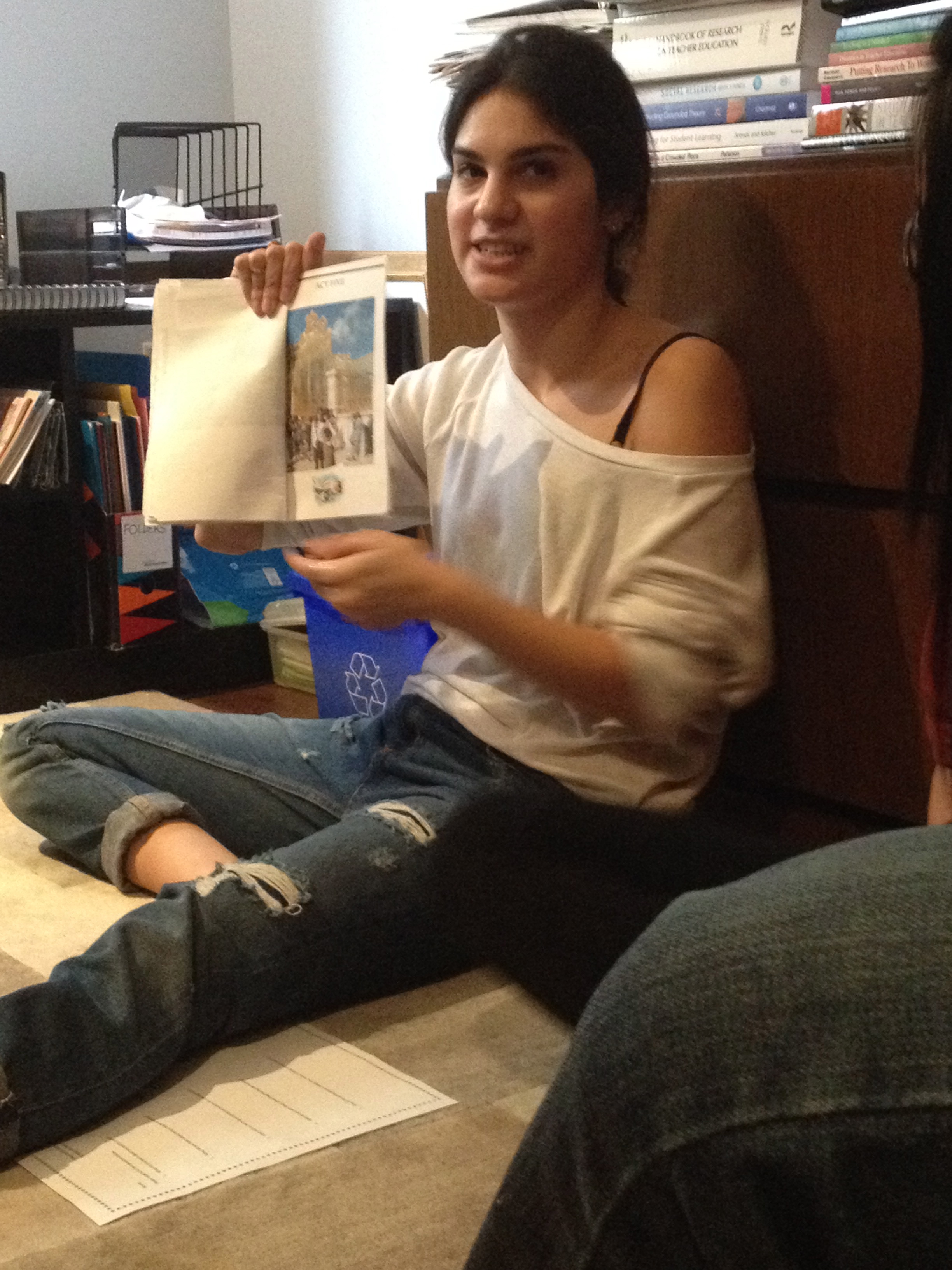
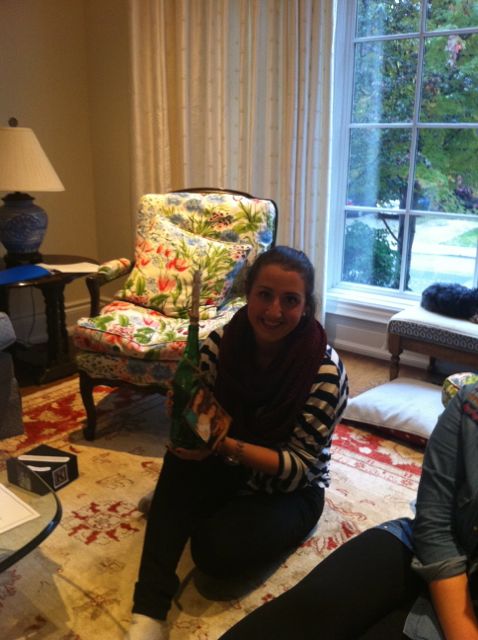
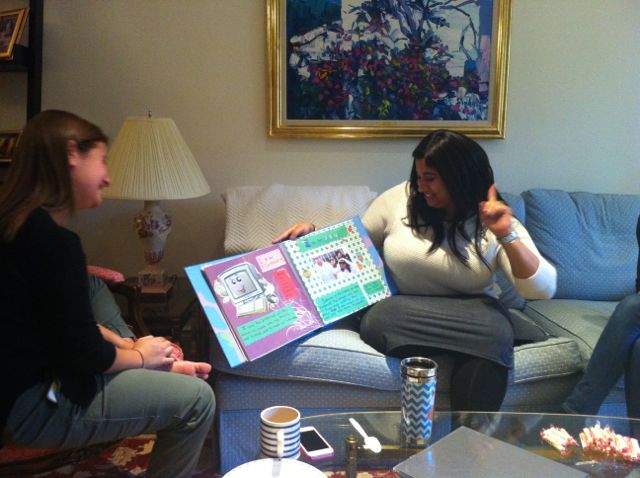
IMG_3099In yesterday’s blog post, Lydia talked about the All About Me book celebration we had with the student teachers in our literacy methods courses. I (Clare) want to add my comments/reflections on the activity. The “assignment” is unusual in that it is ungraded (pass/fail), there is lots of choice, and the finished product is shared with all of the other IMG_3100students. It is not just me, the professor, who reads the assignment – all of the students have an opportunity to learn from their fellow students’ work. The sharing is a wonderful way for them to learn about their fellow students and to learn about many ways to tell a story. Initially, the students are bit resistant to the assignment commenting (complaining!) about it not being graded so why should they do it or that they are not creative so they cannot do it or they cannot see how doing a book about their life will help them learn to be a literacy teacher. The process of writing their books and sharing them transforms IMG_3145their views – they come to understand the power of story, the demands of the writing process, and the importance of audience. Many commented this was the best class they have had in their university studies. One student noted: “I recognize the courage and vulnerability it takes to showcase our own work and know that without a Professor who harnesses this safe environment we wouldn’t have become such a comfortable cohort in our short weeks at OISE.”IMG_3121

All wanted to know when we were going to do “something” like this again. You will notice in these photos that the students are truly happy and engaged. Like Lydia, I was impressed with their books – their creativity was astounding, the care they took with writing their books was impressive, and their ingenuity humbled me. I learned so much from them and feel so lucky to be teaching such fine individuals.

For the literacy teachers and literacy teacher educators who follow this blog we thought we would share the assignment description with you.

IMG_3152All About Me Books

The creation of this book about you fulfills a number of purposes:

* it celebrates who you areIMG_3140

* it provides your colleagues with an opportunity to get to know you

* it celebrates the diversity of individuals in our class

* it allows your creativity to emerge and through exploration may prove new potential to you

* it provides a good resource for you to use with your students as an artifact, a way of IMG_3138introducing you to your students, a good lesson to use with them and ….

* it allows you to come to understand first-hand the complexity of the IMG_3128composing and publishing processes and it allows you to consider how various literacy formats/genres can be used with students

* it introduces you to children’s books in another way

* it is fun

IMG_3131Criteria

  1. Meaning

The All About Me text must communicate in some way who you are – it could be descriptive, autobiographic, a metaphor, …. but it must say, “This is me!” It is important to identify your intended audience; therefore, the book must match your intended audience. If, for example, you are writing it for young children, the pictures are very important and the text must be simple and IMG_3119accessible to them. If on the other hand, you are writing it for an audience of adolescents, the tone, structure and theme would be very different. Use a structure/format appropriate for the age group you choose as models.


Structure

IMG_3114The All About Me book must be:

* illustrated in some way (use your imagination and ingenuity here).

Any format is fine – text based, artifacts, digital …..IMG_3113

* durable for use in the classroom

* well planned

* well written (adhering to the convention of grammar and spelling)

IMG_3142Possible formats and genres for your book…IMG_3135


Accompanying Story on Tape Shape Books
Fairy tale, mystery, make believe Poetry Book
Banners Pop-up Books
Shape Book Wheel Book (using paper fasteners)
Accordion Book Picture Books
ABC book Books with Bookmarks
Books with Pictures and Clipart Book in a box
Books with Photographs Puppet Books
Characters from a Movie or Novel Chart Books
Dioramas Flip Books
Graphic novel/story; Comic format Television Box
Newspaper Momento book
Series of memos Menu
Series of photographs with captions Counting book
I Book Poster
Prezi Powerpoint
Video Other ….. (e.g. rap, song)


All About Me Texts

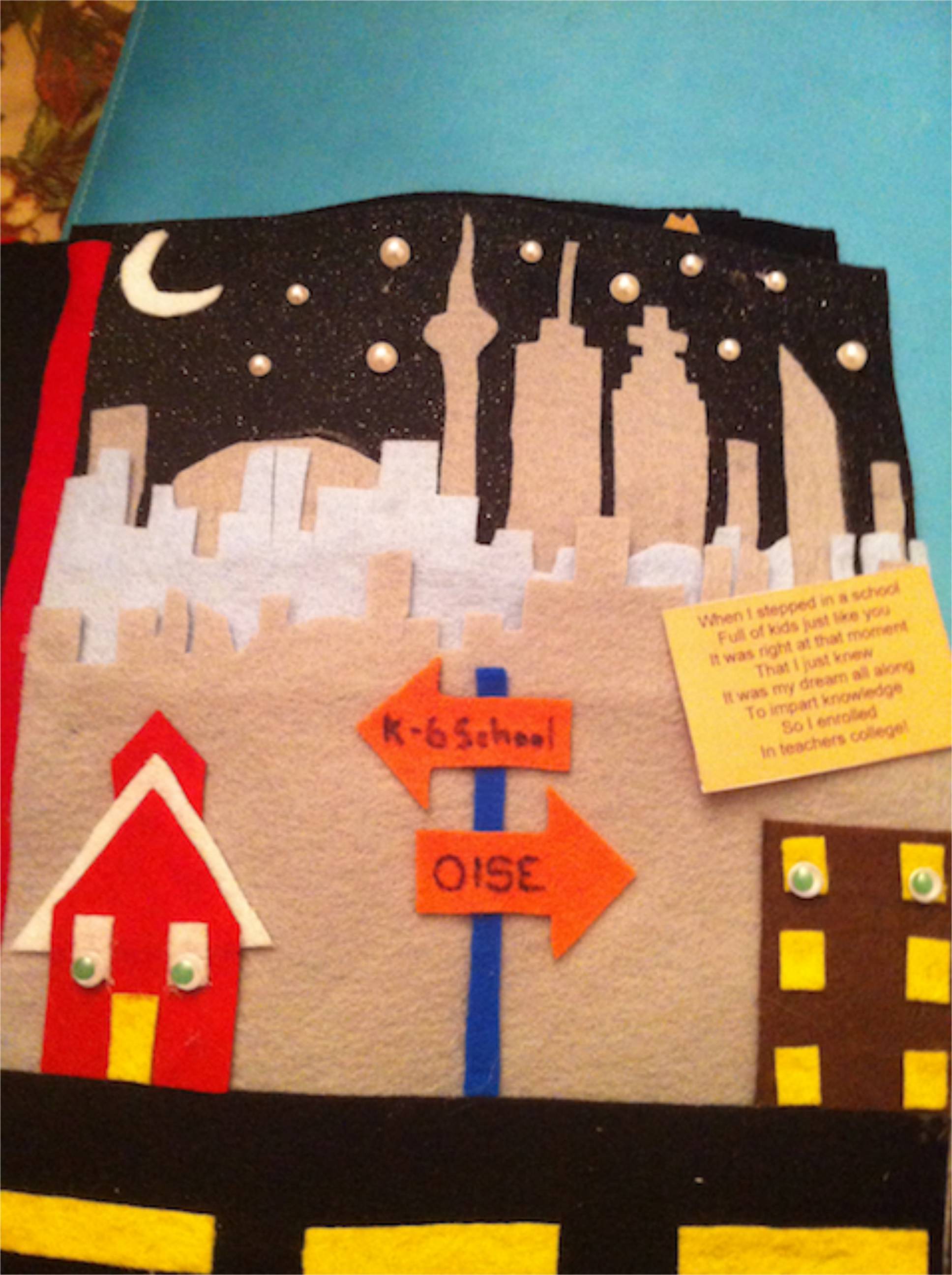
We had an amazing literacy class yesterday. We (Clare and Lydia) along with the student teachers in our P/J and J/I literacy courses shared our All About Me texts. As a class we meet weekly in a designated classroom on campus, but this week class was extra special, as Clare graciously invited us into her home to share our texts in a more personal space. The student teachers engaged a rich array of storytelling formats including – playbills, a message in a bottle, interactive ABC books, puzzles, dual language texts, a personal timeline plotted out with illustrated cityscapes, e-books, comic strips, Pokémon cards, nesting boxes housing artifacts documenting developmental milestone – to share aspects of themselves to an attentive audience of their peers. The depth of thought and creativity communicated through their texts was truly impressive and inspiring. I’m sure the children/youth they’ll be teaching in their upcoming placements will enjoy these texts as much as we all did. It was a truly enjoyable day. Thank you to all the student teachers in our literacy community!!


IMG_1357IMG_1344IMG_1349IMG_1343IMG_1348IMG_3148

Teachers Speak Up on Work-Life Balance

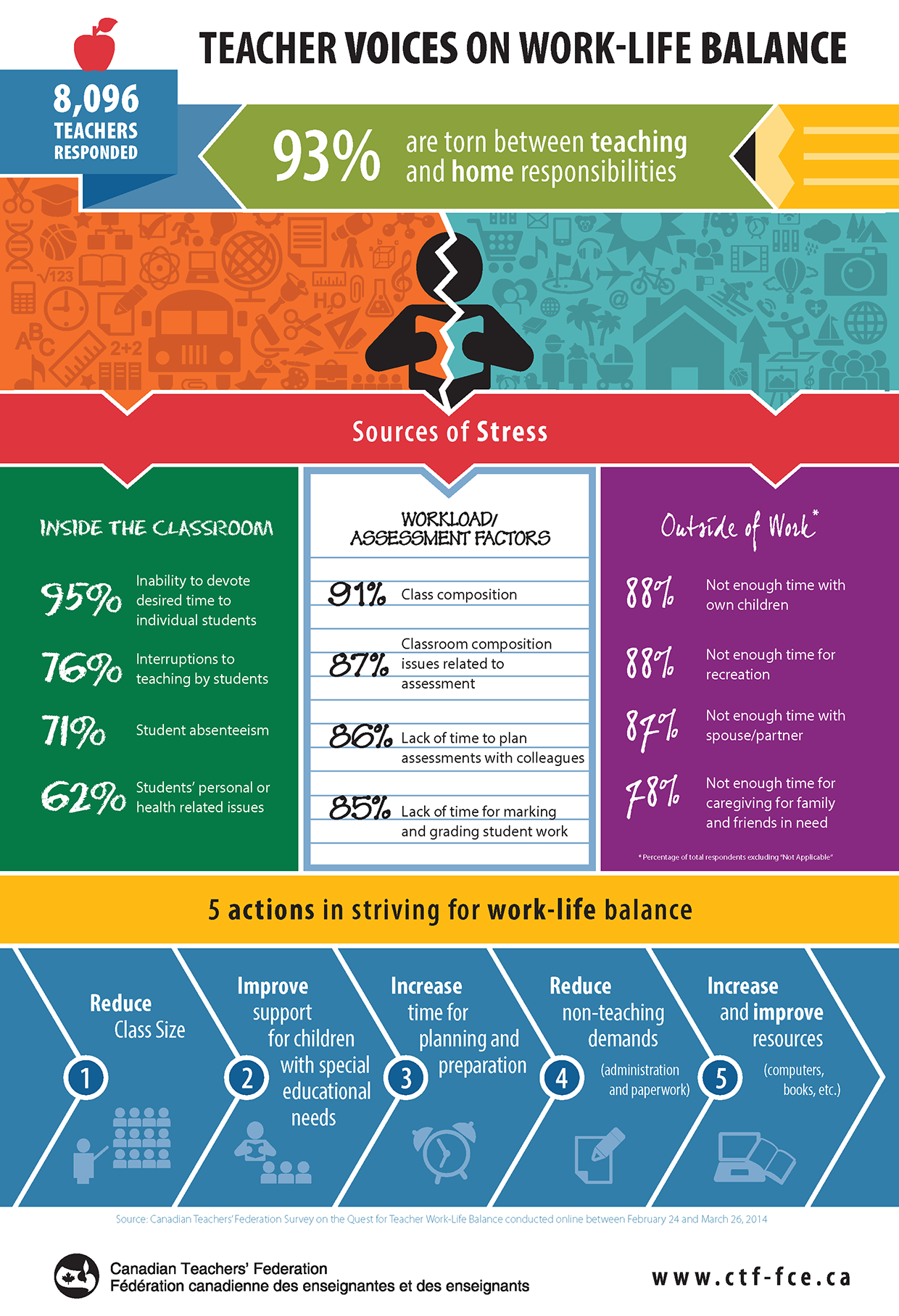
Earlier this year the Canadian Teachers’ Federation conducted a survey to gain insight into the obstacles teachers face trying to achieve a work-life balance. The survey found sources of stress for teachers both inside and outside the classroom. In total, 8,096 teachers responded.

Inside the classroom, 95% of teachers felt that they had the “inability to devote desired time to individual students.” While outside of the classroom, 88% expressed they did “not have enough time with own children.” Other school related stresses included: interruptions to teaching by students; student absenteeism; and students’ home life and health related issues.

The five actions recommended to relieve some of these stressors are familiar suggestions. Since I have been in the field of teaching I have heard demands for all of the recommendations given. They include: reduced class sizes; improve support for children with special needs; give more time for planning and preparation; reduce demand of non-teaching related activities; and improve resources. Most of these suggestions require money, and a lot of it. Are these recommendations realistic? How else can we think about promoting better work-life balance for our teachers?

Read more about this issue here:

http://educhatter.wordpress.com/2014/05/06/teacher-stress-if-class-composition-is-the-problem-is-more-money-the-answer/#comments

teacherstressctf14Take a look at this graphic which complies information gathered from the survey:

Teacher collegiality: A priority in education

Teachers and Teacher Educators alike, I (Yiola) hope you have had a good start to the academic school year. By this time a productive learning environment is in the works, students are settling into routines and relationships and all wheels are in motion. Teaching and learning in classrooms is a complex enterprise. I believe we spend huge amounts of time thinking about and preparing our students for the classroom yet little time is spent on developing safe, supportive, resourceful environments for ourselves as educators.

Enter the social world of teaching for teachers. From novice classroom teachers to veteran teacher educators, research literature clearly shows that the conception that educators perform better when working together professionally is supported by organizational theory models… Such conceptions view authentic teamwork as an essential characteristic of the successful organization as its members interact regularly to share their ideas and expertise and develop common understanding of organizational goals and the means to their attainment (Shah, 2014).

See full article here:

teacher collegiality

Integrated classrooms, full day kindergarten teams, division teams, departments, staff and faculty and informal professional learning communities (PLC), require teamwork, moral support, and encouragement between educators.  What better way to engage in teacher preparation and teaching than feeling supported, appreciated and valued.  What are the key characteristics of collegial work environments?

The research literature indicates considerable consistency in the key characteristics of teacher PLCs. Participants working together regularly over an extended timeline, shared values and vision, practical activities focused on student learning, taking an inquiry stance, being reflective and collaborating and sharing experiences, are characteristics which are consistently highlighted (Susan Owen, 2014).

See full article here:

Owen

A supportive work environment, collegial atmosphere, shared vision, shared workload, appreciation and affirmation of colleague contributions, and genuine interest and commitment to the school/program make a significant difference to educators’ work. While the structure and environments are often built from the top down (i.e. principals or program leaders), much can be done within organizations to foster strong PLCs. These are messages I share with my student teachers as we consider how teachers work with early childhood educators in the kindergarten classrooms, and how the special education teacher communicates with the regular classroom teacher, and how teachers communicate with parents. Exploring how to work collaboratively and how to deal with conflict are important considerations for good teacher practice.

Teaching, service work, and research are approached with interest, enthusiasm, and care because of the collegial work environments that have been established within the PLCs. Below is a picture of wonderful colleagues and my cheering team. I am extremely grateful for the wonderful professional learning communities I am part of at OISE.

10013478_10154025542180121_1297636224_o copy

Left to right: Prof. Gisela Wajskop, me, Prof. Clare Kosnik

Front and centre: Sylvia Clare and Gallaway

Toronto Marathon

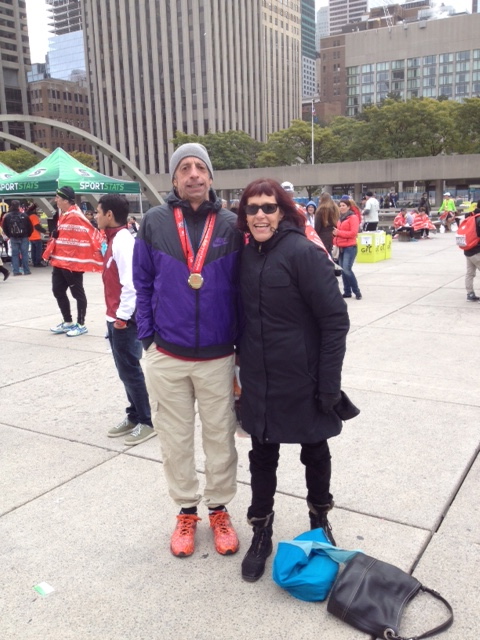
On this blog I (Clare) have shared the many accomplishments of our team memberTony and Clare s — some academic, some personal, and some professional.  Today my brother, Tony,  ran the Toronto Marathon. He is an amazing runner and completed the 26 miles in 3 hours and 16 minutes. I was the chief cheerleader.

Congratulations Tony on a superb run. He is a great supporter of my work and I am happy to share his good news of his accomplishment. Here is a photo of us post race.

10 things your child’s teacher wants to say to you

I (Clare) came across this “open letter” to parents by by Lyndsi Frandsen which I found very interesting. As many schools gear up for Curriculum Night where teachers meet the parents of their students for the first time, I thought this article very relevant. As teachers we so often are misunderstood.Below is the full letter and here is a link to the website>

http://www.ksl.com/?nid=1009&sid=31768239#h1KcVQ2c2uGwgOcx.01

SALT LAKE CITY — Teachers can be a misunderstood breed. A lot of times we find ourselves taking the blame for anything and everything. Your child failed a test? Blame the teacher. Your child got pushed down on the playground? Blame the teacher. You’re having a bad hair day? Blame the teacher.

But have you ever thought about what your child’s teacher would say if the teacher could speak openly and honestly, without any backlash? I interviewed dozens of my fellow teachers and colleagues. Using their comments, I compiled what I hope will be a helpful list of suggestions to improve the parent-teacher dynamic.

Now, before you call an emergency neighborhood meeting and start writing “1,000 things parents wish they could say to their child’s idiotic teacher,” take a step back. Give these teachers the benefit of the doubt, and know the educators who weighed in on this are wonderfully talented, kind, educated, adoring teachers who love what they do.

(On a side note: As I was reaching out to teachers, I felt like I should title this “The help: teacher edition.” It took a lot of coaxing and reassurance in order to get them to talk.)

“Thank you for sharing your child with me each day. … Thank you for trusting me with your most prized possessions. Thank you for helping me create the “magic” that is learning, educating and inspiring.”

1. I can’t do it alone

I am here to tell you that whatever is accomplished during the long school day can be completely undone in just a few hours at home. I am only human. I can’t snap my fingers and get your child to the target reading level. Will I try my hardest? Yes. Will I ever stop trying? No. But if you aren’t actively engaging with your child and reinforcing learning at home, you are robbing your child of opportunities otherwise. I am giving your child the best hours of my day. Please be willing to give your child minutes of your day to spend on homework, reading, etc.

2. I never stop thinking about your child

Even when I am finally home and able to focus on my own little ones, I am still thinking about yours. I am constantly thinking about how to help them overcome educational barriers. I am continuously brainstorming how I can cater to their various learning styles. But it doesn’t end there. I lose sleep thinking about the much-too-heavy-burdens of life their tiny shoulders carry around. I worry about their future and the scary world they will grow up in. I love them fiercely and they are always on my mind.

3. Yes, I am saying your child is lying

I am an adult. I am not a mean, petty, immature teenager who makes up rumors to make your child look bad. If I tell you your child called a classmate a name — then your child did. If I tell you your child refused to complete work — then your child did. Please believe the 30-year-old adult and not your 8-year-old child.

4. We are all cheering for the same team

I know this may come as a surprise to you, but I am not the enemy. Like you, I love your child. Like you, most days I invest more time and money in the children, than I do in myself. Like you, I want what’s best for them. So, when you feel tempted to tell me all the reasons why I treat your child unfairly, or am out to get your child, please remember that. When I hold your child accountable, I’m not treating your child unfairly. When I challenge your child academically, I am not out to get your child. The end.

5. We really don’t think every child needs medication

One teacher (and mother) I talked to learned this lesson firsthand. After her own child was diagnosed with a processing disorder, she realized he just might need medication to help him focus. It was a hard fact to swallow: that the medication she had been so against was the missing piece of the puzzle. Her words: “You would not consider keeping a child from their asthma medication because it would change who they are, so why would you consider keeping a child from medicine that would help them to be their best self?

Medication is not a death sentence. It does not mean that they are dumb or out of control. It does not mean they are ‘one of those kids.’ ” Teachers observe every type of child on a daily basis. Being receptive to their observations and opinions just may pay off for your child. Parents need to advocate for their children. Sometimes, they don’t know how or where to begin. And that’s where we come in.

6. The way you speak about education directly influences your child’s opinion

If you place great value on learning, your children will. If you speak kindly about their teacher, they will. If you tell them they have test anxiety, they will. If you treat school as a chore, they will. If you have high expectations for them, they will.

7. Your child doesn’t have any friends because he is unkind

I understand this isn’t a fact 100 percent of the time. But generally speaking, if your child is kind, compassionate and friendly, then other children will want to be your child’s friend. Funny how that works, isn’t it? It is your responsibility to teach your child how to be a good friend. If your children are hearing you gossip, belittle and exclude others, chances are they will be the same kind of friend you are.

8. It’s OK to let your child struggle

This is how we learn and grow. I understand your overwhelming desire to intervene at the drop of a hat. I understand it is hard to watch your child go through hard things and sometimes fail. I don’t like to watch your child struggle either. But if we do everything for them, they will never be able to do anything for themselves.

9. Your appreciation goes a long way

We don’t want you to feel bad for us. We chose this profession, and if we could go back and do it again … we would be doctors. Just kidding. We would do it all over again. Teachers just want to feel valued and appreciated. Our payoff (clearly) doesn’t come in the form of a check. It comes with watching your child grow and develop a love of learning. Parents who express their gratitude underestimate how far that really goes. So, write a thank-you note every now and again, tell us what a good job we are doing, and spoil the living daylights out of us during teacher appreciation week. (Kidding … sort of.)

10. Thank you

A well-known teacher that has a wonderful reputation with students, parents and colleagues said it perfectly:

“Thank you for sharing your child with me each day. Thank you for taking an interest in what he/she is doing. Thank you for caring about your child enough to let them fail from time to time, but being there to pick them up, brush them off, and help them grow from the experience. Thank you for investing time in your child. It is the most valuable gift you can give them. Thank you for taking time away from your phone or your computer to really be there for them. Thank you for teaching your child responsibility. Thank you for helping them realize that the choices they make are their choices and the consequences, good or bad, are not because of someone else. Thank you for letting me be a part of the ‘village’ that gets to help raise your child. Thank you for the opportunity I get to make a difference in their life. Thank you for trusting me with your most prized possessions. Thank you for helping me create the “magic” that is learning, educating and inspiring.”

Lyndsi Frandsen is the creator of the Facebook page For All Momkind and author of the For All Momkind blog. She has many titles, including wife, kindergarten teacher, sister and her favorite title, Mom.