September has emerged as one of my favourite months of the year. In addition to the overabundance of pumpkin flavoured beverages and treats at your friendly neighbourhood café, many are gearing up for another year in school. Whether you are a student, a teacher, or a professor, September marks the beginning of a new chapter in your educational journey.
The more I reflect on the phrase ‘back to school’, the more I realize that I never really left to begin with. I did not suddenly stop reading interesting articles and books, nor did I make a conscious effort to avoid the occasional heated debate with my friends on a sunny Sunday afternoon. I am still fun and approachable at BBQ parties though, I promise.
Summer break in the K-12 setting is often depicted as ‘freedom’ from learning and the perfect excuse to avoid the books. While I understand the need to relax and take it easy after a year of rigorous academic work, we can definitely benefit from not juxtaposing the fun nature of summer with the productivity demands of fall. Do some students dread going back to school because they have less time to play outside or because the classroom simply isn’t engaging enough? I would much rather students be excited about all the potential learning opportunities rather than their next vacation.
Now that the school year is well underway, I hope you are brimming with the same excitement as me. I can’t wait to be introduced to must-read books, build new connections with my classroom peers, grow as a researcher, and so much more! What are you looking forward to this academic year? Whatever that may be, strive to be a snowflake, unique and beautiful in your own way, rather than another brick in the wall.

![IMG_4719[2]](https://literacyteaching.net/wp-content/uploads/2017/05/img_47192.jpg?w=604)
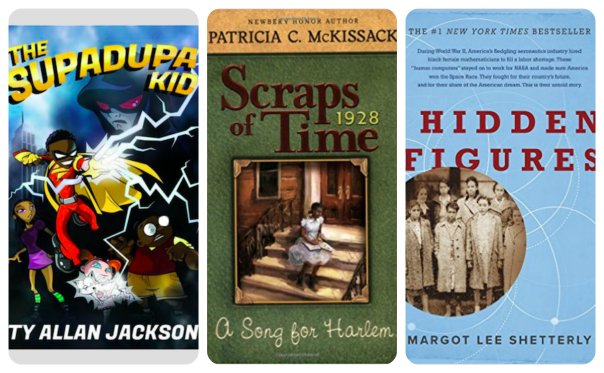
 throughout) focused on critical literacy while Amelia and Jessie had multiliteracies as the framework for their courses. Jane and Lance focused on children’s literature, while Sharon and Margie had the writing process as their priority. One LTE focused her course totally on phonics and phonological awareness. Justin commented: “I see our work as being about the development of teachers as public intellectuals … not simply to prepare beginning teachers for whatever the particular curricular or pedagogic demands of policy here now are but for a lifetime in teaching and this involves them being able to be both critical of initiatives that are thrust on them and creative in their approaches.”
 our Master of Arts in Child Study teacher education program. I talked about how teaching is a journey and that you never stop learning. From our longitudinal study of teachers we know that teachers learn a great deal from each other and from reflecting on their teaching. I believe there is a place for formal professional development; however, many teachers (myself included) have found formal PD to be of little use. It is often so removed from daily practice, tends to be top-down, and is a one-off. Teachers need time and place for conversations about their teaching. There is a place for formal structured PD but the way it is so often delivered it is not effective. In previous blogs I have written about my teacher-researcher group which has been a very powerful form of PD because all of the teachers are working on a topic/question that is important to them. One of the students in my grad course sent me this cartoon about PD. Although I chuckled when I read it, I feel that is sums up the sentiments of many.


 Literacy Teaching and Teacher Education